
Заморожування – це один із найефективніших способів збереження поживних речовин та продовження терміну придатності продуктів. Завдяки цьому методу можна запастися їжею на тривалий час, не хвилюючись про її псування та втрату корисних властивостей.
Коли мова йде про здорове харчування, важливо пам’ятати, що приготування їжі вдома – це один з найкращих способів забезпечити себе збалансованими прийомами їжі. Однак часто нам часто просто буває лінь щось готувати або немає часу. Іноді здається, що готувати корисні страви – це надто складно. Втім, а що якщо насправді є методи, як допоможуть вам спростити цей процес?
Наприклад, як варіант, заморожувати продукти. Це дозволяє зберегти багато поживних речовин, зокрема вітаміни та мінерали, що можуть втрачатись під час тривалого зберігання або термічної обробки.
Читайте, які продукти варто почати заморожувати, аби почати харчуватися правильно і з економією вашого часу.
Фрукти
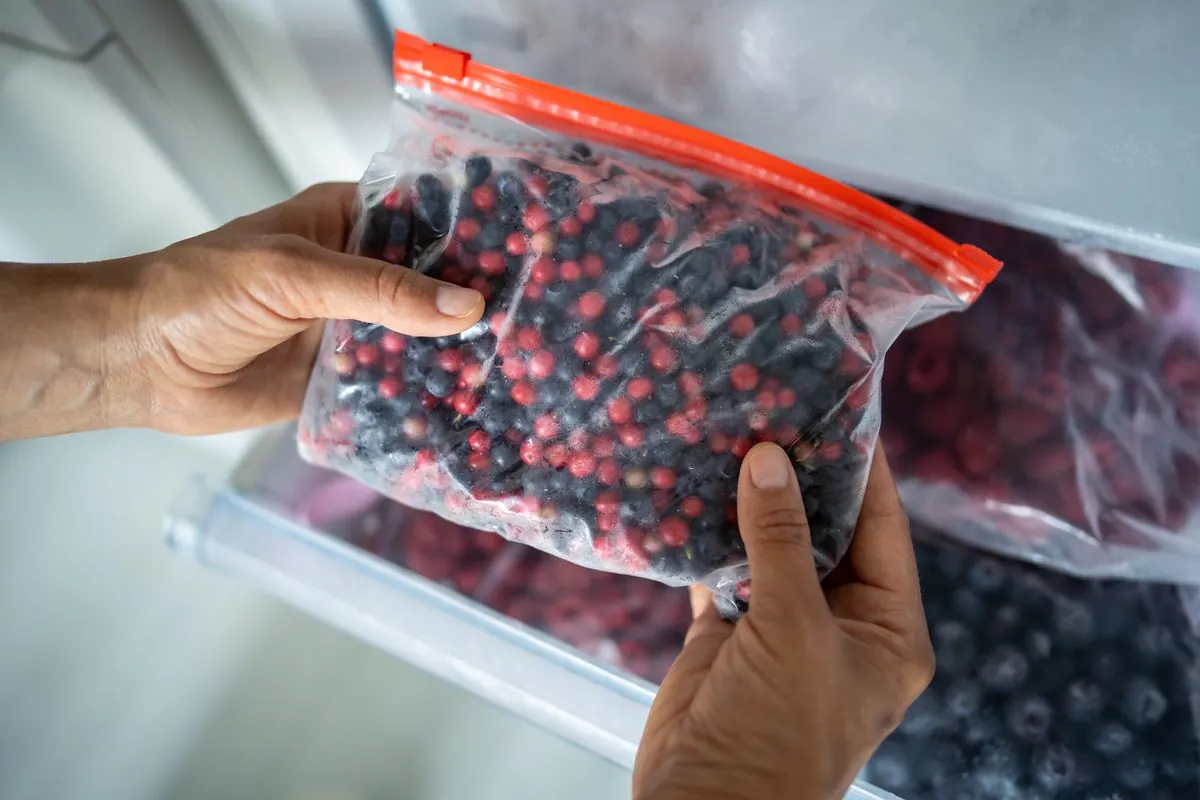
Заморожені фрукти — це ідеальне рішення для здорового харчування. Однією з переваг є те, що фрукти під час заморозки не втрачають своїх корисних властивостей і зберігають смак. Крім того, вони вже очищені або нарізані, що значно полегшує їх використання під час приготування їжі.
Якщо у вас є залишки свіжих фруктів, просто розкладіть їх на деко і заморозьте, а потім зберігайте у герметичних пакетах чи контейнерах. Такий спосіб дозволить вам зберегти фрукти до року, і вони завжди будуть під рукою для приготування смузі, десертів чи інших страв. Заморожені фрукти зберігають свої якості до 12 місяців.
Бульйон
Не завжди у всіх є багато часу на обідню перерву. Тож хорошим рішенням є заморозити бульйон, який потім можна буде використовувати у приготуванні різноманітних страв. Він підходить для супів, рагу, печені та навіть для приготування круп без олії. Заморожений бульйон зберігається до шести місяців, на відміну від того, як він швидко псується в холодильнику.
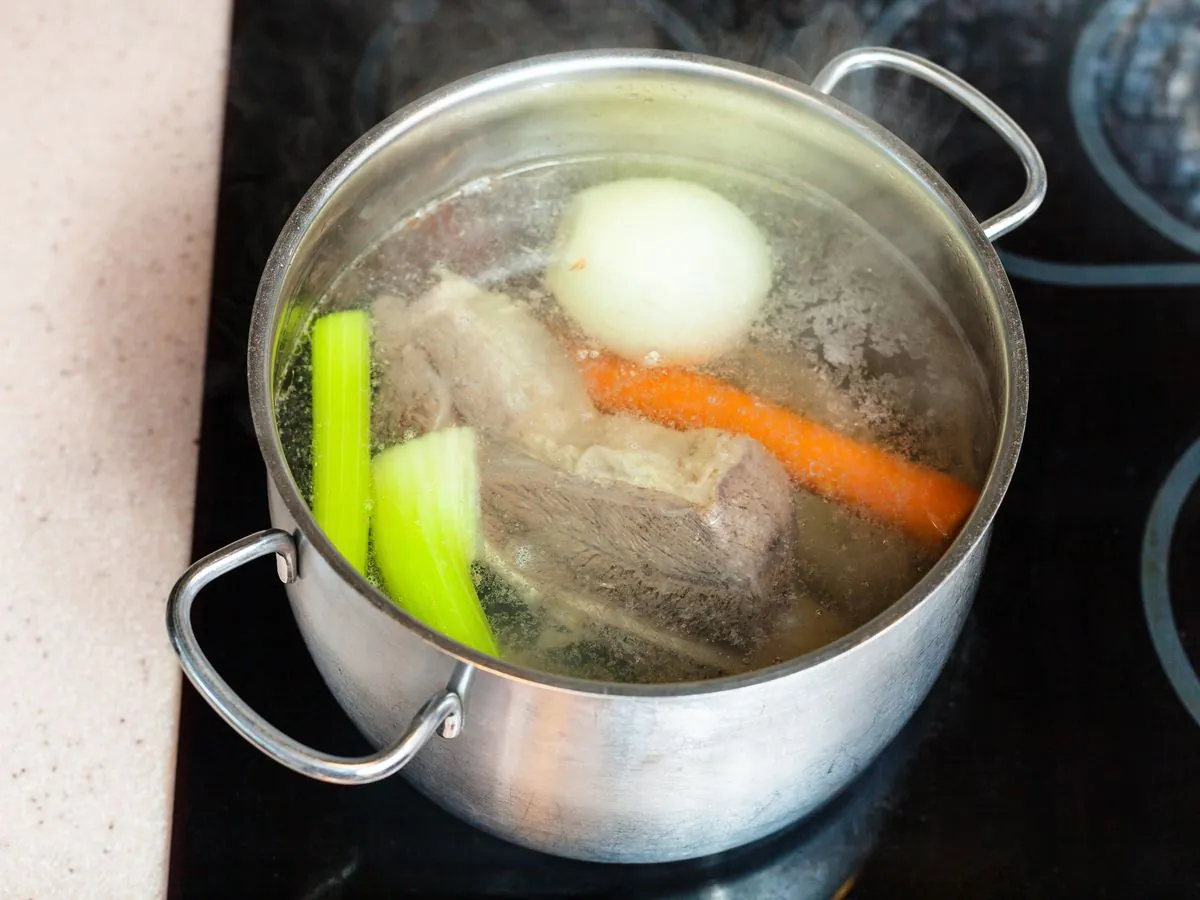
Щоб заморозити бульйон, налийте його в силіконові форми або пакети для заморозки. Можна також використовувати лотки для кубиків льоду, щоб мати під рукою зручні порції для соусів чи тушкування. Заморожений бульйон розморожується швидко і зручно додається прямо в каструлю.
Імбир
Імбир – інгредієнт із пряним смаком і численними перевагами для травлення та здоров’я, що додасть вашим стравам більшої пікантності. У замороженому вигляді імбир зберігає всі свої корисні властивості, що є не менш важливо. Крім того, його можна додавати не лише у страви, а й робити смачні вітамінні чаї.
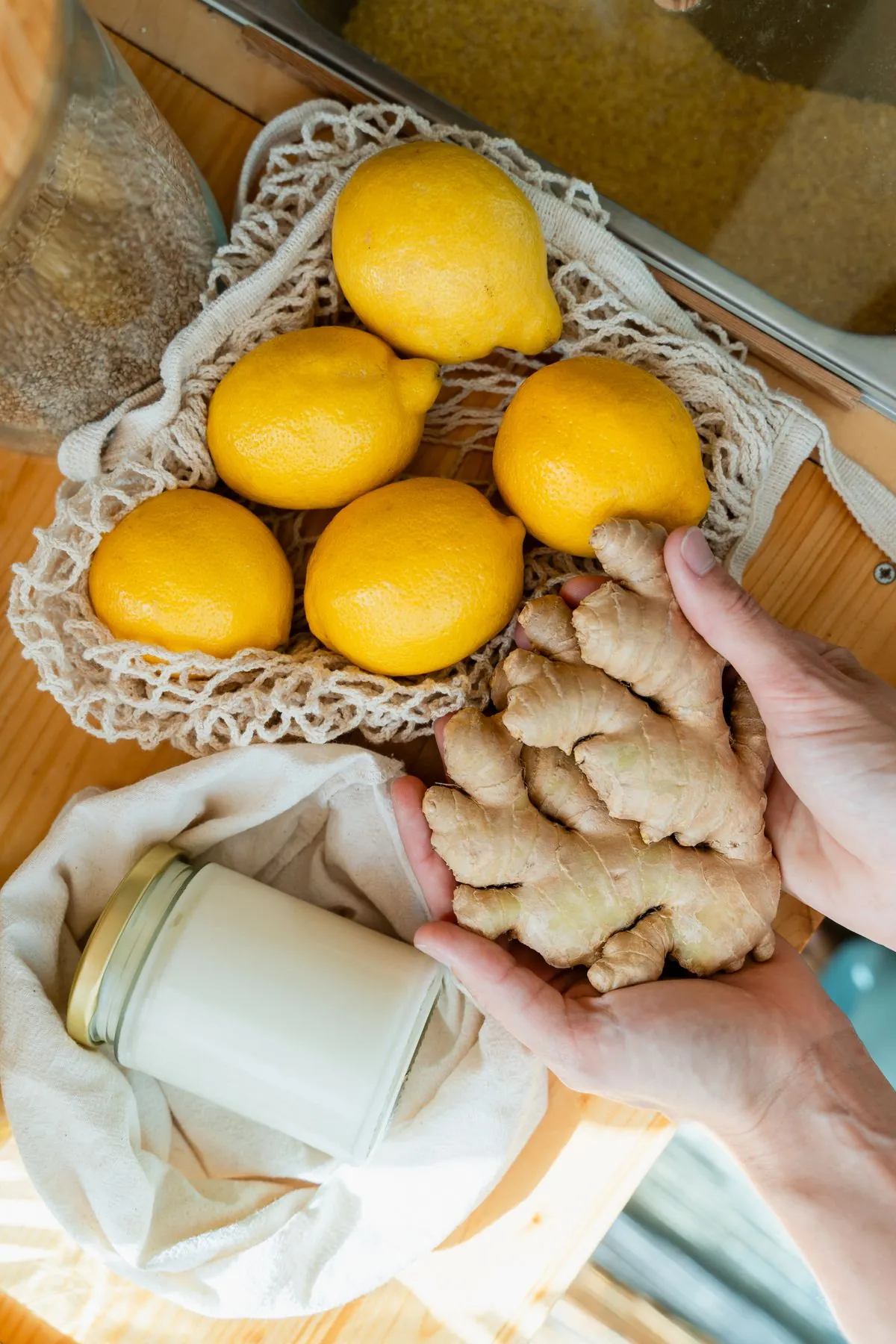
Щоб заморозити імбир, просто помістіть неочищений корінь у пакет для заморозки. Під час приготування заморожений імбир можна натерти прямо в страву. Ви також можете подрібнити його перед заморожуванням. Цілий імбир зберігається до шести місяців, а подрібнений – три-чотири місяці.
Овочі
Овочі так само як і фрукти чудово підходять для заморозки. Вони не лише зберігають більшість своїх корисних властивостей, але й дозволяють насолоджуватися смаком різноманітних овочів навіть поза їхнім сезоном. Заморожені овочі, що продаються в магазинах, збираються на піку їх зрілості, що дає змогу зберегти максимальний вміст поживних речовин і смаку.
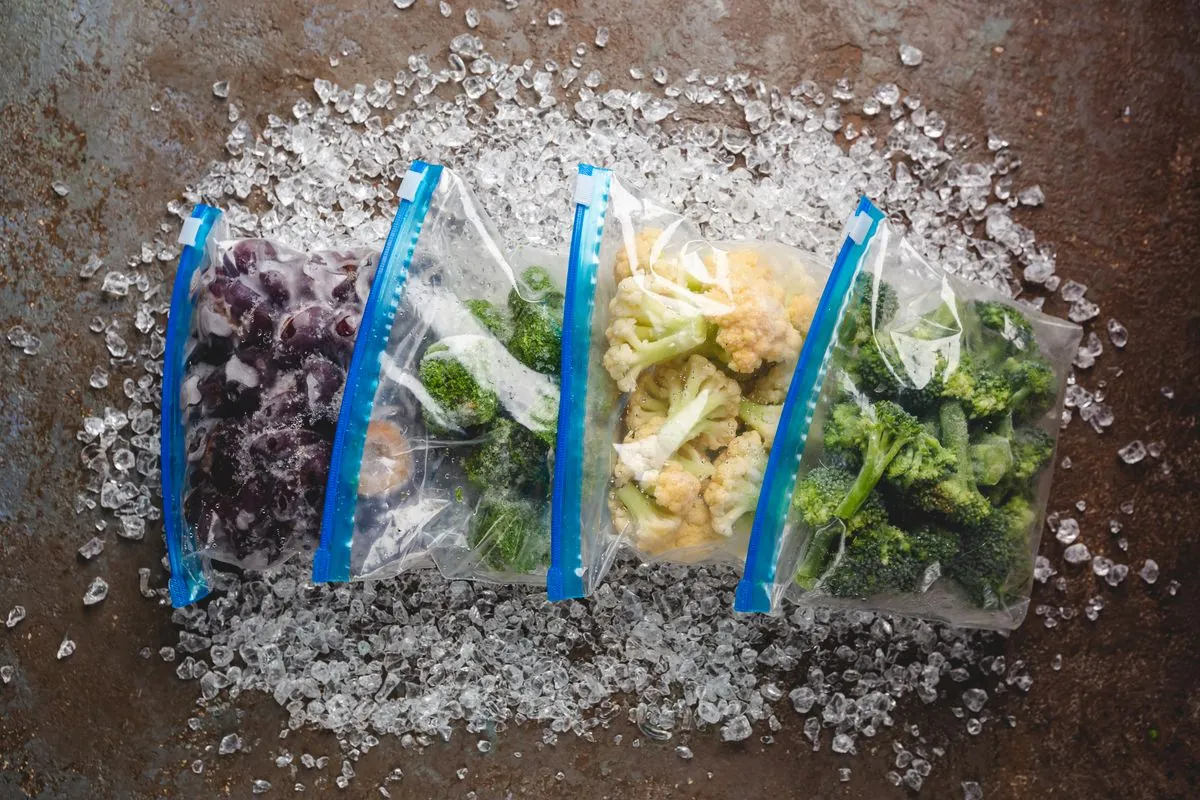
Якщо ви вирішили заморозити власно вирощені овочі, то процес не є складним. Найпершим кроком є їх підготовка: очистка, нарізка і бланшування (короткочасне занурення в кип’яток і подальше охолодження холодною водою). Це допомагає зберегти смак, колір і текстуру після заморожування. Потім овочі слід розкласти в один шар на деко та поставити в морозильник. Після того, як вони заморожені, їх можна перекласти у пакети або контейнери для тривалого зберігання.
Крупи, каші
Крупи та каші – це важливе джерело вуглеводів, які є основним джерелом енергії для організму. Однак їх приготування може зайняти чимало часу, особливо якщо мова йде про більш ситні сорти, такі як дикий рис або кіноа.
Щоб зробити їх приготування швидшим, ви можете приготувати велику порцію і заморозити її для подальшого використання. Просто приготуйте, наприклад, рис, охолодіть його до кімнатної температури, потім розкладіть рівним шаром на деко і заморозьте.
Після цього, перекладіть рис в пакети для заморозки, видаліть зайве повітря і зберігайте їх у морозильнику.
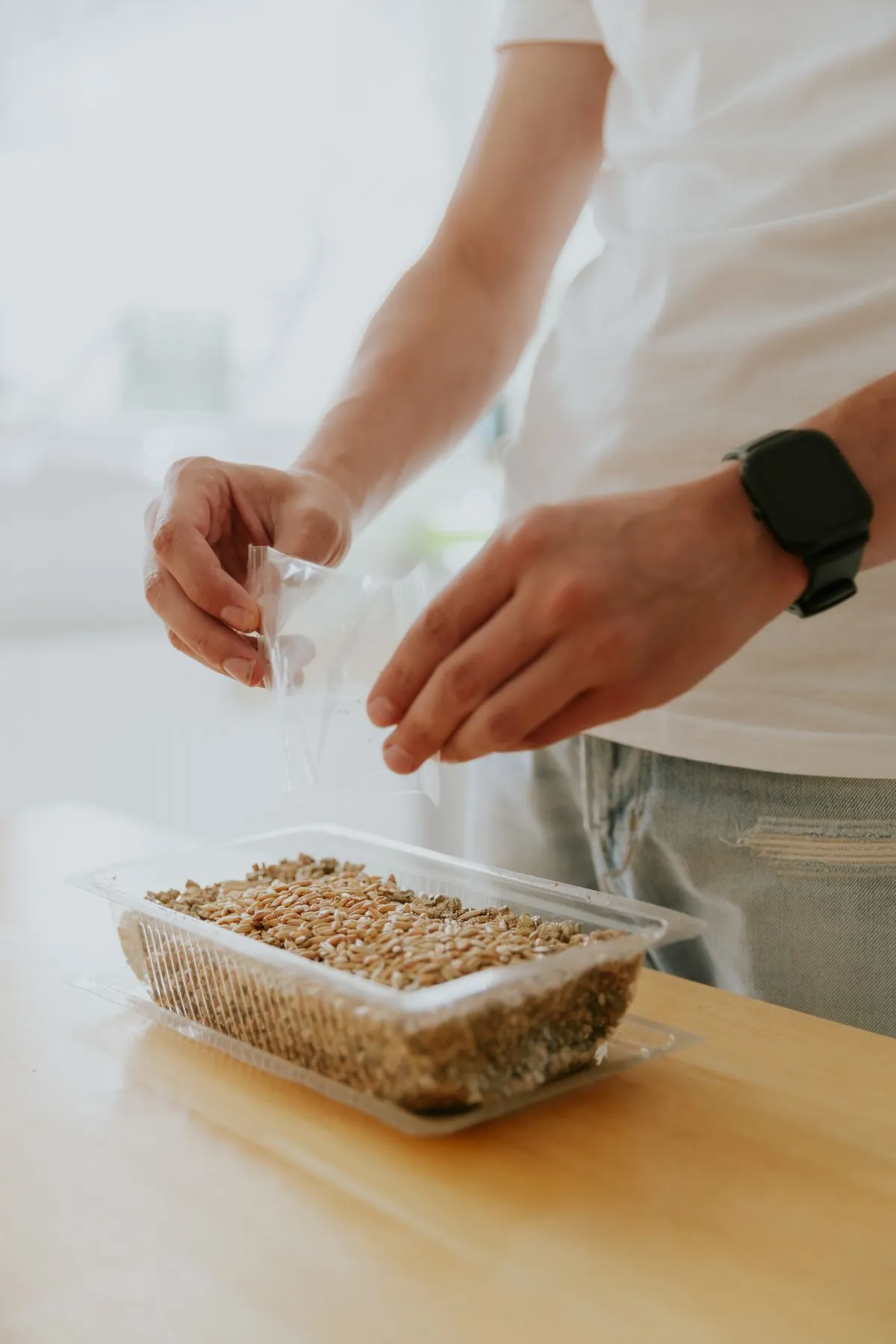
Коли прийде час використовувати заморожені зерна, просто перекладіть їх у холодильник на кілька годин або на ніч для розморожування. Потім їх можна розігріти на плиті або в мікрохвильовці і додавати в різноманітні страви – супи, рагу, плов.
Мʼясо та морепродукти
М’ясо та морепродукти є чудовими джерелами білка, які додають ситності та поживності вашому раціону. Замість того, щоб купувати їх регулярно, можна купити їх під час розпродажу і заморозити, що дозволить заощадити гроші та мати під рукою інгредієнти для різноманітних страв.
М’ясо або морепродукти можна заморожувати як сирими, так і приготованими. Якщо ви заморожуєте вже приготовані продукти, обов’язково дайте їм охолонути до кімнатної температури перед тим, як помістити їх у морозильник. Теплі продукти можуть утворити конденсат, що призводить до утворення кристалів льоду, які впливають на текстуру при розігріванні.
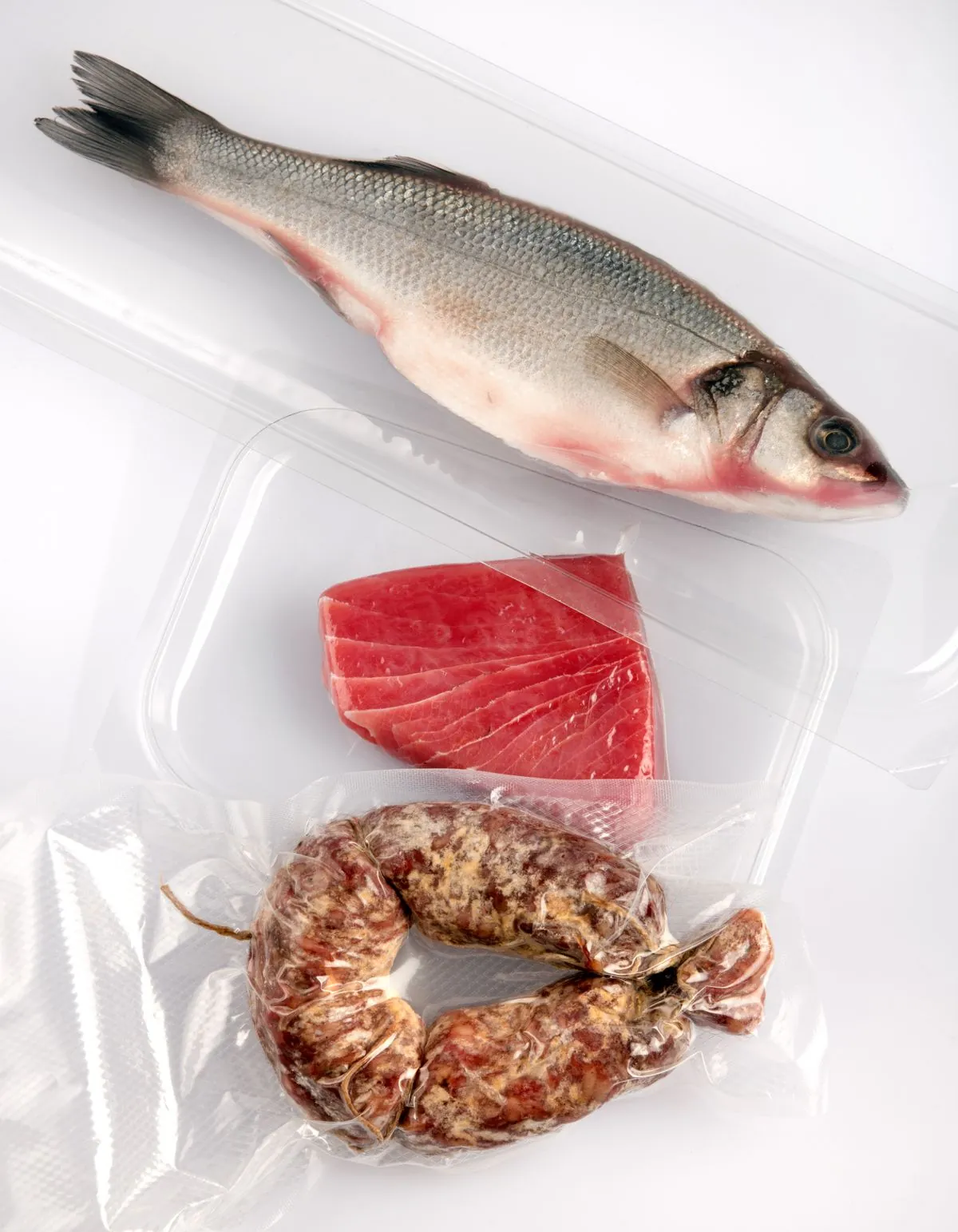
Корисно заморожувати продукти в таких порціях, які ви зможете використати за один раз. Наприклад, філе лосося можна розділити на окремі пакети або контейнери для заморозки, щоб не розморожувати більше, ніж потрібно. Курку-гриль можна подрібнити або розрізати на шматки перед заморожуванням.
