
Де чекати найзапекліших боїв та яка військова техніка матиме вирішальне значення для кожної зі сторін?
Аналізуємо перспективи бойових дій та описуємо загальний розвиток подій російсько-української війни у найближчі місяці.
Фактор авіації
АВТОР ФОТО,МІНОБОРОНИ РФ
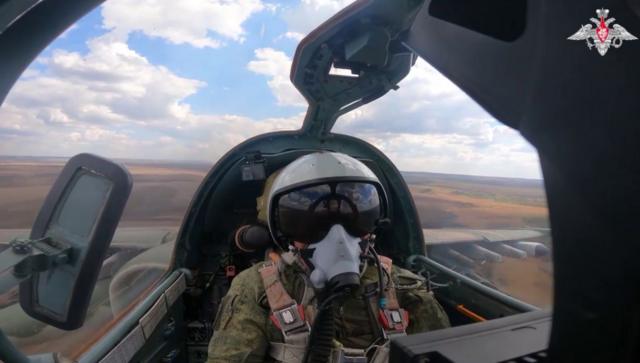
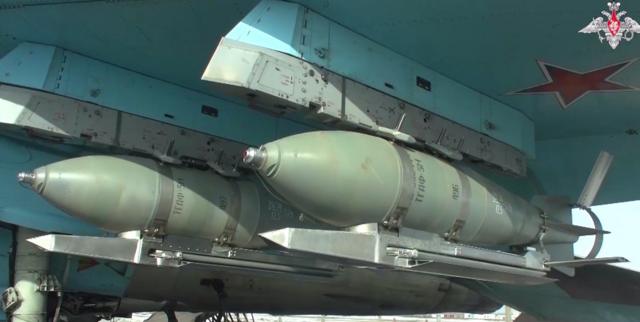
Як серйозний фактор на поле бою повернулася авіація РФ — йдеться вже не тільки про дії Су-24 чи Су-34 по Харкову чи прикордонню Сумщини, а й про скидання чавунних бомб “Грачами” Су-25 на Часів Яр – тобто, безпосередньо на лінії фронту.
Часто російські бомби сходять не там, але більшість все ж долітає до приблизної цілі.
І зараз росіяни обмежені навіть не кількістю бортів, а кількістю корегованих бомб.
Швидко та надійно запобігти загрозі від російської авіації не вийде навіть за умови появи у ЗСУ перших F-16.
У російських пілотів більше льотного досвіду протягом багатьох років, більш досвідчені наземні служби, ніж швидко перенавчені українські, більше злітно-посадкових смуг у європейській частині РФ.
А також є літаки ДРЛC (дальнього радіолокаційного стеження) – хоча Україна й збила два з них і, ймовірно, пошкодила ще кілька під час капремонту на землі. Але ці борти піднімуться у повітря, коли почнеться боротьба за ініціативу в небі.
АВТОР ФОТО,МІНОБОРОНИ РФ
Тому швидка протидія російській авіації навряд чи можлива – ескадрильї західних літаків прибуватимуть в Україну поступово, а пілоти готуються протягом 10-місячних циклів. І вводити у бій ці літаки також будуть поступово.
Але робити засідки з малих висот на носіїв бомб, збивати крилаті ракети та дрони-камікадзе, що прорвалися через українську ППО, проводити розвідувальні місії, “роздавати” РЕБ та нести протикорабельні ракети все ж буде краще на західних літаках з інтегрованими шоломними прицілами та бортовими РЛС.
F-16 у будь-якому разі суттєво новіші від Міг-29, якими зараз воюють Повітряні сили ЗСУ.
Дрони та удари по тилу
АВТОР ФОТО,МІНОБОРОНИ РФ
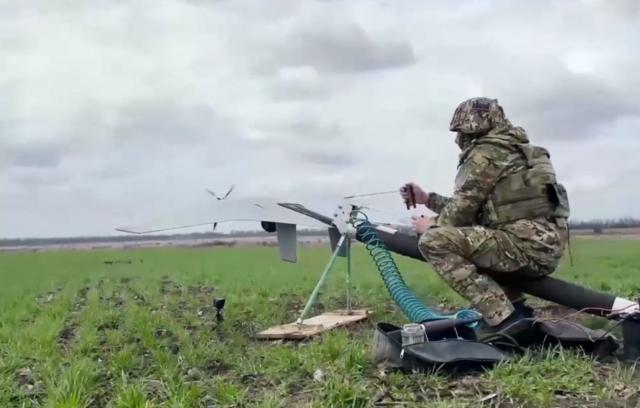
Загрозою з повітря залишаються і російські дрони-розвідники Supercam та Zala, які часто працюють в оперативному тилу ЗСУ біля третьої лінії оборони – вони мають нову оптику (можливо, іранську) та зав’язані на оптичний канал, щоб не потрапляти під тиск РЕБ.
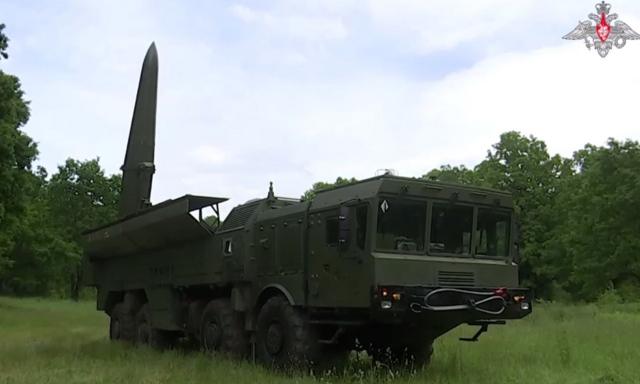
Саме за їхніми “очима” прилітають балістичні ракети – “Іскандери” чи їхні північнокорейські аналоги, нерідко касетні.
Це бувало і раніше – наприклад, удар у Покровську по потягу під час завантаження чи дальні удари “Ланцетами” по літаках на аеродромах.
Але останнім часом кількість ударів по українському тилу помітно зросла.
АВТОР ФОТО,МІНОБОРОНИ РФ
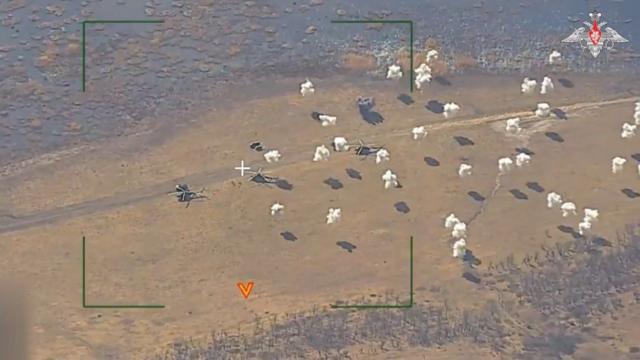
“Прилітає” по шляхопроводах, залізничних мостах і всьому, що схоже на розташування українських військ.
Періодично росіяни повторно б’ють по тих же місцях, щоб були втрати у рятувальників ДСНС.
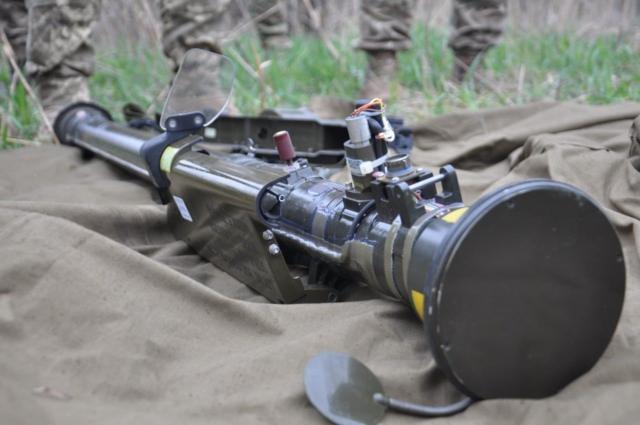
Пострадянський протиповітряний арсенал України для ЗРК “Оса”, “Стріла” чи комплексів “Тунгуска” з ракетами з наведенням по фотоелементу або з підривом неконтактних підривників біля цілі добре показав себе у цій війні проти різноманітних дронів. Але ці тисячі ракет, що дісталися Україні від СРСР, закінчуються.
Так само вичерпується запас “Стінгерів” після атак сотень крилатих ракет, “Шахедів”, “Орланів” та інших розвідувальних дронів. Те, ще отримала Україна, можна орієнтовно оцінити в 5-7 років виробництва цих ПЗРК станом до 2022 року.
АВТОР ФОТО,ГЕНШТАБ ЗСУ
При цьому, навіть США використовують зараз “зворотний інжиніринг” та відновлення списаних ПЗРК, щоб поповнити складські запаси, доки нове виробництво вийде на запланований рівень.
А поки є дефіцит із засобами ППО, все більше російських безпілотників проникає в тактичний та оперативний тил ЗСУ і може наводити високоточну зброю та балістику.
Допомога Заходу
АВТОР ФОТО,МІНОБОРОНИ ФРН
Західна допомога Україні, попри політичні труднощі, продовжується.
Треба розуміти, що США не знімають Київ з балансу, попри запеклість власної внутрішньополітичної боротьби. Тому рано чи пізно питання з американською допомогою має вирішитися – хоча б у вигляді кредиту з можливістю списання чи з іншим механізмом.
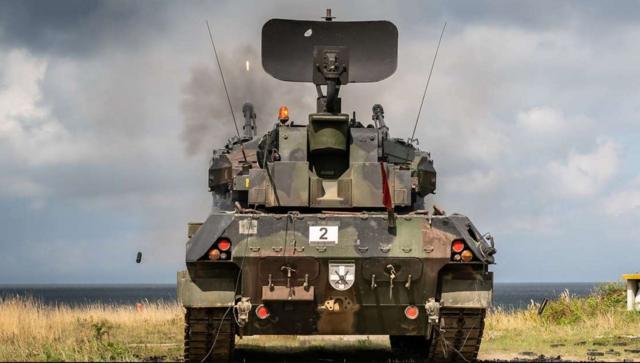
Паралельно зараз на Заході укладаються контракти на боєприпаси, у Німеччині відновлюється виробництво “розумних мін”, а завод снарядів 35х228 мм для “Гепардів” вийде на планову потужність у середині 2024 року.
Так само йде робота з локалізації виробництва “Байрактарів” в Україні.
Ці безпілотники успішно зарекомендували себе під час повномасштабного вторгнення, і їх продовжують застосовувати для різних задач.
Хоча за нинішніх умов вони все ж ефективніші як розвідники-коригувальники або навіть як носії РЛС з АФАР, тобто як радіолокаційні станції з “активною фазованою антенною решіткою” – пристроєм, що може одночасно моніторити повітряний простір, робити картографію та ставити електронні перешкоди супротивнику. Саме таку модернізацію зараз роблять поляки з італійським обладнанням.
Залишається і “коаліція дронів”, в рамках якої Франція, Німеччина, Британія та інші країни-важковаговики надсилають Україні сотні дронів-камікадзе та розвідувальних апаратів.
Європа розширяє виробництва пускових установок для PATRIOT – українські батареї та “Європейський небесний щит” (проєкт посилення ППО європейських країн НАТО – Ред.) вимагатимуть потужностей та фахівців.
Окрім того, Польща, Німеччина, Румунія, Іспанія та Нідерланди збираються купити до 1 тис. ракет PAC-2 GEM-T з можливістю “працювати” по балістичних цілях з неконтактним підривником.
АВТОР ФОТО,ГЕНШТАБ ЗСУ
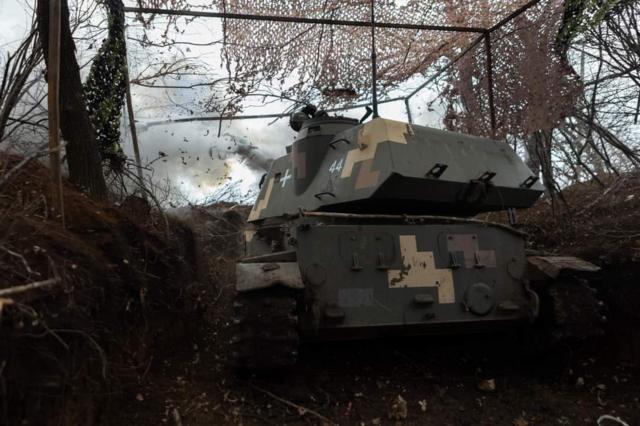
Щодо снарядів, то є перспективи отримати 1,5 млн 155-мм боєприпасів від країн ЄС, зокрема і за рахунок “чеської ініціативи”.
Водночас тут пригадується, що у 1990-х арсенали США з прицілом на війну з Радянським Союзом складали 10 млн штук 155-мм снарядів – тож, ймовірно, ці запаси все ще можна знаходити.
Сьогодні у Європі чотири країни випускають 155-мм снаряди: Британія (BAE Systems), Німеччина (Rheinmetall), Франція (Nexter) та Фінляндія разом з Норвегією (Nammo).
У фінів, наприклад, замовлення розписані на шість років уперед – купуєш сьогодні, а черга розрахована до 2030 року.
У всіх виробників снарядів обсяги значно зростають, інвестиції йдуть.
А це індикатор, що європейська промисловість насправді працює і готується працювати на підтримку України.
Останні пакети допомоги від Німеччини є найкращим барометром того, що відбувається у партнерів України – 130 БМП Marder модернізованих до версії “1А3” та кілька сотень дронів поїхали на підсилення ЗСУ.
Воєнна промисловість Росії
АВТОР ФОТО,ТЕЛЕКАНАЛ “РОССИЯ 24”
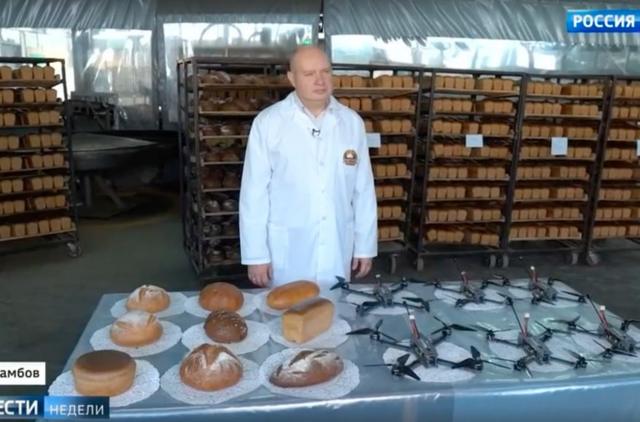
Але паралельно і росіяни продовжують мобілізувати свій тил – у їхніх новинах йдуть нескінченні повідомлення, що колишні заводи західних компаній в РФ почали виробляти порох, а хлібзаводи – дрони.
Звичайно, у такому виробництві будуть дефекти, зриви термінів та інші нюанси.
Утім, техніка й озброєння все одно активно надходять в російську армію.
Запуск до 500 “Шахедів” на місяць та 180 ударів керованими бомбами на добу – це також індикатор тенденцій у війні.
У соцмережах з’являються відео екіпірування вбитих російських солдатів – у них є цифрові рації, вже непогані аптечки, нічні приціли, керамічні плити бронежилетів, наколінники. І це у піхоти, а не спецпризначенців.
Відчутна різниця з мобілізованими зразка 2022 року зі джгутами Есмарха.
Росіяни адаптуються до війни та при цьому оснащують свою армію.
У таких умовах Україні треба щосили “бігти, щоб залишатися на місці”.
Здатність мобілізувати тил і вести тотальну війну, а не висіти лише на ресурсах ЄС та США, може багато значити для майбутнього України.
Адже йдеться про фундаментальні для України речі – навіть не про те, чий буде Вугледар чи Токмак. А про виживання.
Якщо Росія зможе наступати вглиб України – вона буде це робити.
Якщо росіяни зможуть перетворювати Херсон чи Харків на руїни бомбами з УМПК та реактивною артилерією – вони будуть це робити.
Ракетні удари
АВТОР ФОТО,МІНОБОРОНИ РФ
Очевидними планами росіян на цю літню кампанію будуть масові пуски ударних дронів та залпи балістики із зосередженням по одній цілі.
Як це вже було зі Зміївською чи Трипільською ТЕС – банально виснажити ППО в одному секторі й вдарити ракетами по конкретній цілі, виводячи її з ладу на багато місяців.
Тут мета росіян – удар по енергетиці з впливом на економіку та ВПК України в той час, коли вона починає інтенсифікувати виробництво власних озброєнь.
Москва хоче вплинути на це, руйнуючи енергетику, оскільки її зимова кампанія обстрілів по розосереджених заводах була менш ефективною – Україна продовжує виробництво далекобійних безпілотників, морських надводних дронів та САУ.
Напрямки наступу
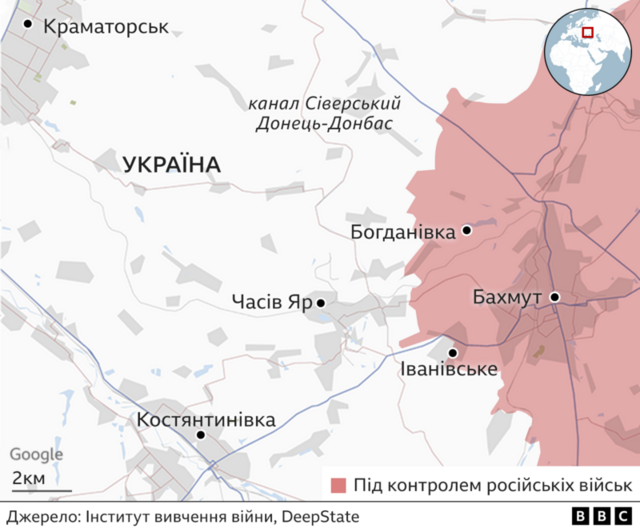
Часів Яр та його висоти є воротами на Костянтинівку й далі до Слов’янсько-Краматорської агломерації.
Противник там має можливість ховатися в руїнах Бахмута і накопичувати сили, а також працювати з-за міста бомбами.
Він намагатиметься вибити ЗСУ біля Кліщіївки та форсувати канал Сіверський Донець-Донбас.
Росіяни не відмовилися від плану вийти тут із щільної забудови й далі вирватися на оперативний простір.
А наступ на Куп’янськ – це боротьба за логістику.
Якщо ЗСУ там відіб’ються, то це вже буде загроза російським лініям – у навколишніх лісах буде важко викопати три лінії бетонних укріплень.
Нарешті ділянка фронту Кремінна-Сватове – це важлива артерія, “передпілля” залізничної гілки на Старобільськ.
Росіяни хочуть просунутися тут, щоб ЗСУ не били залізницю “Хаймарсами” та дронами.
Росіяни витрачають величезні ресурси в атаках на села та посадки в цьому району і до Куп’янська. Вони намагаються відсунути високоточне озброєння ЗСУ від окупованої залізниці.
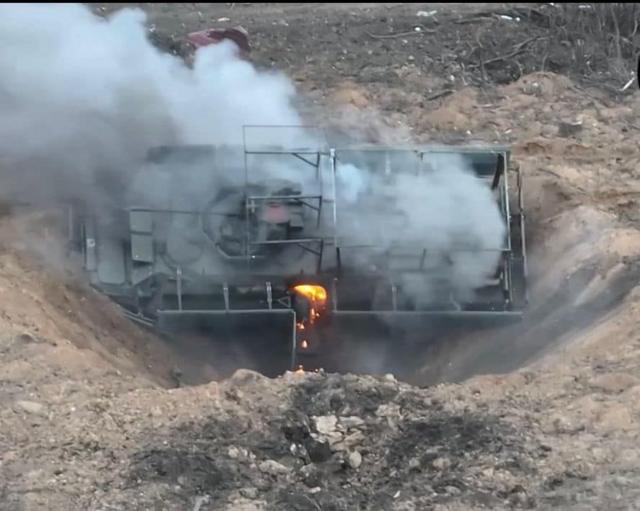
Крім того, армія РФ кілька разів з минулого року намагалася просунутися під Вугледаром, регулярно залишаючи там десятки одиниць техніки, включно як з танками Т-72Б3 випуску 2022 року, так і старими Т-55.
АВТОР ФОТО,ГЕНШТАБ ЗСУ
Тобто йтиме позиційна війна у стратегічно важливих секторах – велику роль відіграватимуть не лише інженерні укріплення, а й наявність військового “валового продукту”: мін, важкого піхотного озброєння, вагонів снарядів.
Як готуватися тилу
АВТОР ФОТО,МІНОБОРОНИ УКРАЇНИ
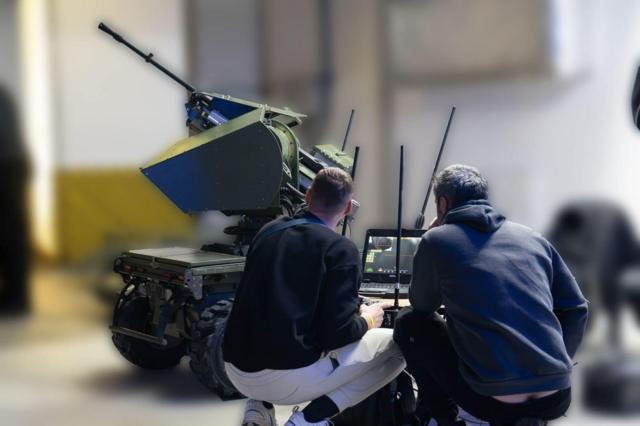
Саме тому буде важливою мобілізація українського тилу.
Можливо, буде сенс просити у союзників верстати та проводити реформу ПТУ (наприклад, у першу зміну там навчатимуться студенти, а в дві інші йтиме виробництво для ВПК).
Інший варіант – децентралізація та перенесення виробництва до передмість. Організувати на одному підприємстві виробництво лише корпусів та лиття, на іншому – підривників, а збирати все це на десятках невеликих майданчиків.
Ще один теоретичний варіант – перенесення виробництва та створення у Східній Європі робочих місць для українських біженців.
Загалом військове виробництво в умовах війни цілком реальне – німці під час Другої світової нарощували ВПК під стратегічними бомбардуваннями союзників і могли виробляти сотні тисяч тонн бомб на рік.
І йшлося тоді не про удари 20 ракет на тиждень – це вдавалося робити під час багатомісячних бомбардувань виробництв із десятками прямих влучань у цехи.
А Україні зараз потрібно буквально все – “викруткове” складання вантажівок, різноманітні боєприпаси, міни для мінометів і керовані міни, різні паліативні пускові установки ППО під ракети “повітря-повітря” пристосовані для пусків з землі, сотні далекобійних дронів і десятки ракет (наприклад, “Нептуни” для стрільби не тільки по морю, а й по землі).
З фронтових відео помітно, що під час атак російських танків їх накривають або артилерійським вогнем, або FPV-дронами, а пусків ПТРК, протитанкових ракетних комплексів, не так і багато.
Хоча всі умови для них у степах є. Однак запасів не так багато – і це попри великі арсенали США та країн ЄС.
Але фаза “війни на виснаження” така, що закінчитися може все.
Тому Україна має залежати не від внутрішньої політики інших країн, а зробити все, щоб максимально виробляти вдома те, виробляти реалістично.
А те, що не вдасться робити в Україні, – купувати в кредит, реекспортувати та скуповувати зброю у країн Перської затоки з доплатою за терміновість.
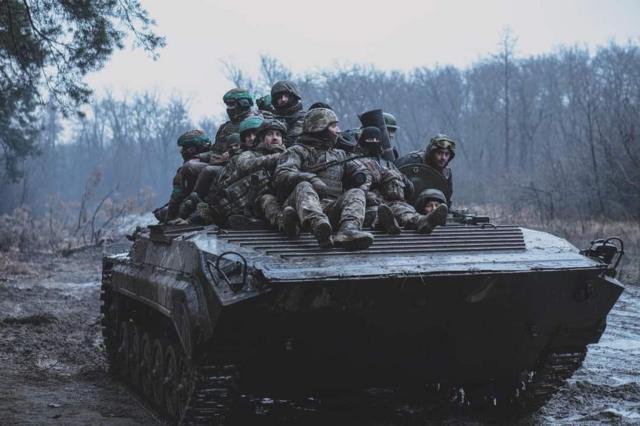
АВТОР ФОТО,ГЕНШТАБ ЗСУ
Росія справді програла ту “швидку” війну проти України, яку планувала в 2022 році. Але Кремль прагне або заморозити ситуацію, провести роботу над помилками й спробувати знову.
Або банально передавити ЗСУ власними ресурсами на полі бою – людськими хвилями та масивами техніки.
Паралельно вони накопичують ракети для ударів по тилу та ЖКГ.
І оснащують нові підрозділи – танкові та артилерійські бригади та полки (нехай на основі застарілих гаубиць Д-1 і танків Т-55, але це все одно зброя).
Москва налаштована на затяжну кампанію – можливо, техніки у росіян вистачить лише до кінця року (з огляду на кількість “гольф-карів” та інших неочікуваних машин, які вони зараз використовують через нестачу штатної бронетехніки).
Але Кремль, схоже, поставив все на кін цієї війни. І росіяни готові витратити всі свої ресурси на роки уперед, аби зайняти максимум українських територій.
Тому у війні ще нічого не вирішено та нічого не закінчено.
На українців чекає непросте літо.