
Масниця — одне з найяскравіших та найвеселіших свят, яке символізує прощання із зимою та зустріч весни. У 2025 році вона триватиме з 24 лютого по 2 березня. Це тиждень ситних частувань, народних гулянь і стародавніх традицій.
Масниця 2025 року — це час, коли українці прощаються із зимою і зустрічають весну. З 24 лютого по 2 березня за новоюліанським календарем відзначатиметься одне з найбільш колоритних свят. В Україні кожен регіон святкує Масницю по-своєму, з унікальними обрядами та назвами днів, але єдине, що об’єднує всі традиції — це гучні проводи зими та підготовка до Великого посту.
Це свято, що несе в собі багатий набір традицій та звичаїв, які змішуються з народними прикметами та місцевим колоритом. У стародавні часи цей тиждень називали Сирною седмицею, адже під час нього можна було ласувати молочними продуктами — сиром, маслом, яйцями, але м’ясо залишалося під забороною. Сьогодні ж Масниця — це час веселощів, смаколиків і народних традицій.
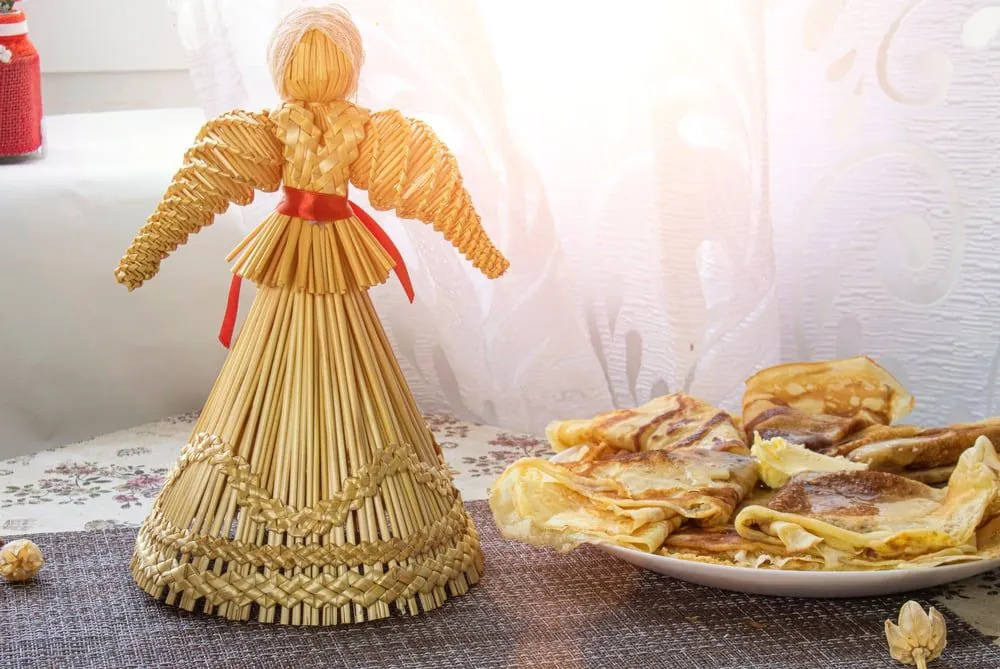
Однією з найважливіших традицій є створення опудала Масниці — великої ляльки з соломи, вдягнутої в жіночий одяг. Це символ зими, якого спалюють наприкінці тижня, аби проводити холодну пору і привітати весну.
Ось як святкують Масницю по днях:
Понеділок – день гостей. Масниця починається з прийому гостей. Це час для частування млинцями з різними начинками. Важливим елементом є створення солом’яного опудала.
Вівторок – день залицянь. Молодь зустрічається для веселих ігор і розваг, таких як катання на санчатах з гірок, а млинці продовжують бути основною стравою.
Середа – день частування. Це момент для родинних обідів, коли господині запрошують зятів і гостей на млинці. Зять має похвалити тещу, що забезпечить мир і злагоду в родині.
Четвер – день гуляння. Потрібно забути про роботу і насолоджуватися піснями, танцями, іграми та іншими розвагами.
П’ятниця – день тещі. Тепер зять запрошує тещу на млинці. Вірять, що таким чином вдасться розвіяти будь-які непорозуміння і встановити гармонію в родині.
Субота – день прощання з зимою. Всі відправляються в гості, щоб разом проводити зиму і привітати весну. Молода дружина запрошує на млинці сестру чоловіка, а також інших родичів.
Неділя – Прощена неділя. Це останній день Масниці, коли час прощення. Люди забувають образи, прощають одне одного, а ввечері завершується свято спалюванням опудала Масниці, що символізує кінець зими і прихід весни.
Масляний тиждень — це не тільки час для святкових застіль, але й для багатьох смачних традицій. Однією з найважливіших є випікання млинців.
Вони вважалися символом сонця і на Масляну їх пекли кожен день. У кожної господині був свій фірмовий рецепт, і, залежно від інгредієнтів, млинці могли бути дуже різними.
