Russia’s full-scale invasion of Ukraine shocked the world, triggering a humanitarian crisis unlike any Europe had seen in the 21st century. Millions of Ukrainians were forced to flee to the West, including Germany, Austria, and Switzerland. Since March, nearly a million Ukrainians have been added to Germany’s Central Register of Foreigners. Despite this mass migration, no significant conflicts between refugees and local residents have been recorded.
However, an event that occurred in late May in central Vienna caused a stir and drew attention to possible criminal elements among migrants.

A group of men who ran out of cars with Ukrainian license plates attacked two taxi drivers near the Bristol Hotel in Vienna. This incident attracted the attention of Austrian politicians, who decided to investigate the situation and bring the perpetrators to justice. Dominik Knepp, a member of the Vienna City Council from the FPÖ party, contacted the mayor of Dnipro, Borys Filatov, because the cars were registered in this Ukrainian city. According to part of the correspondence available to the editorial staff, Filatov provided information about the suspects, which Knepp passed on to the criminal police.
In an interview with Austrian journalist Christian Verschütz, Boris Filatov said that the attackers were security guards of fraudulent call centers that were defrauding Ukrainian citizens. The mayor of Dnipro claims that these call centers are controlled by a businessman with a criminal past, Oleksandr Petrovsky, known as “Narik.”.
Oleksandr Petrovsky has in recent years tried to create an image of a philanthropist and patriot, building churches and supporting Ukrainian football. He actively donated funds to the Orthodox Church of Ukraine, which received recognition from the Ecumenical Patriarch in Constantinople. Petrovsky even attended the Tomos ceremony in Istanbul with then-President Petro Poroshenko.
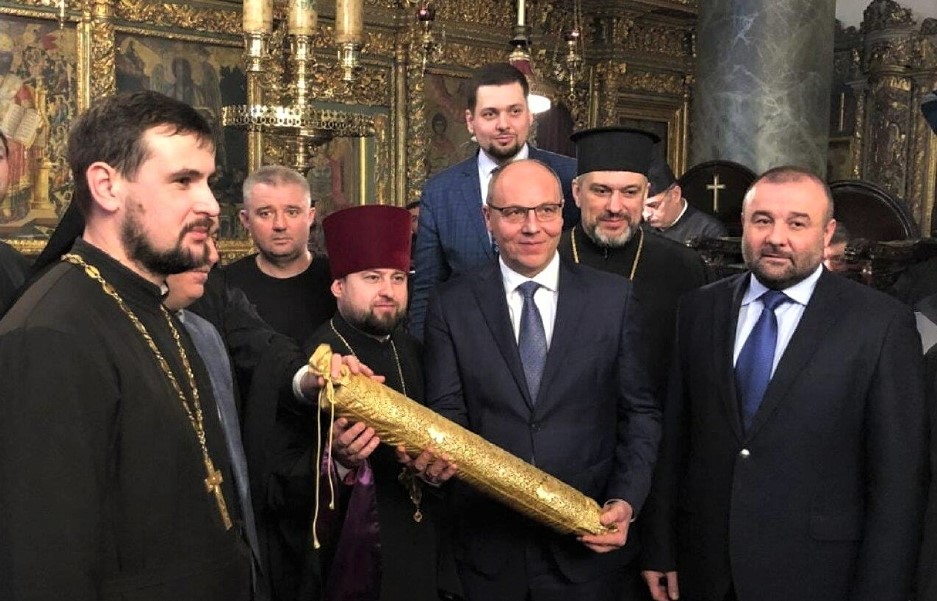
However, when “Narik” began appearing in photographs with prominent Ukrainian politicians, journalists investigated his past. It turned out that his biography was full of criminal episodes that caused concern even in a society accustomed to corruption.
Born in Georgia under the surname Nalekreshvili, Alexander moved to Dnipropetrovsk with his mother. According to media reports, in the late 1980s he created a youth gang that engaged in racketeering in markets and among small entrepreneurs. After the collapse of the Soviet Union, criminal groups began to fill the power vacuum, and Petrovsky quickly expanded his influence.
A distinctive feature of “Narik” was that he invested the proceeds from his criminal activities in legal businesses. He expanded his activities to include the import of metals, trade in petroleum products, agricultural goods, cars, the restaurant business, construction, and the production of mineral water. Some of the assets were registered in the name of his mother and wife.
Petrovsky established contacts with influential politicians, including Pavlo Lazarenko, the former head of the Dnipropetrovsk region and future prime minister of Ukraine. Although Lazarenko was later accused of money laundering and spent more than 10 years in a US prison, his support helped Petrovsky strengthen his position in the 1990s.
Despite this, he could not escape the criminal wars in the Dnipro in the late 1990s. After a failed attempt on his life, Petrovsky temporarily moved to Israel, where he purchased real estate and transferred some of his assets.
Upon his return to Ukraine, Petrovsky maintained his business interests and political connections. Numerous criminal cases were opened against him, including on suspicion of murder, kidnapping, and document forgery. However, these cases were often closed due to lack of evidence or the disappearance of witnesses.
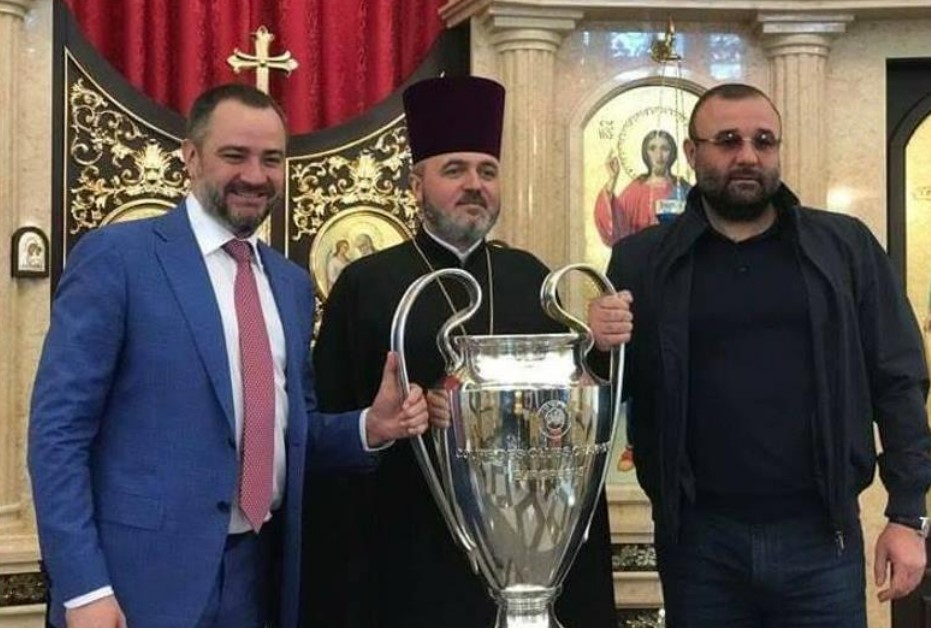
His daughter married the son of Andriy Pavelko, an influential MP from Petro Poroshenko's party and president of the Football Federation of Ukraine. Photos taken with Pavelko, including with the UEFA Champions League trophy, drew the attention of the public and journalists to Petrovsky.
Active participation in church affairs and assistance in obtaining the Tomos have increased his influence among the political elite. He can boast of acquaintance with Petro Poroshenko and Parliament Speaker Andriy Parubiy.
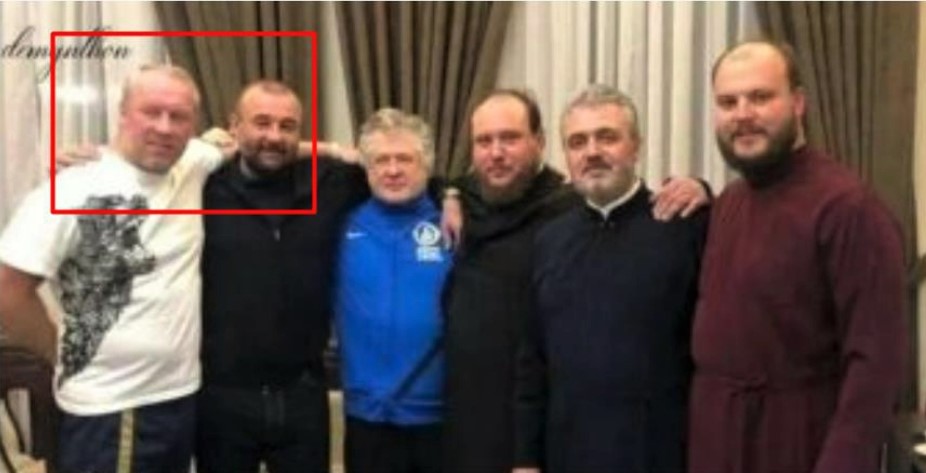
Despite attempts to legalize himself, Petrovsky did not break ties with the criminal world. His relationship with Serhiy Oliynyk, known as “Umka” — “thief in law” — is especially close. They have known each other since the early 1990s. In 2014, Oliynyk was crowned in St. Petersburg, despite the tensions between Ukraine and Russia.
Oliynyk controls the fuel business, markets in Central and Eastern Ukraine, gambling, cryptocurrency operations, and smuggling. There is speculation that the funds from his activities were laundered through Petrovsky's legal business.
The Russian opposition publication Novaya Gazeta in its materials called Oliynyk a “thief in law” and Petrovsky’s right-hand man, and “Narik” himself the leader of the largest criminal group in the Dnipro.
With the outbreak of full-scale war, Petrovsky, together with his comrade Emil Harutyunyan, moved to Vienna.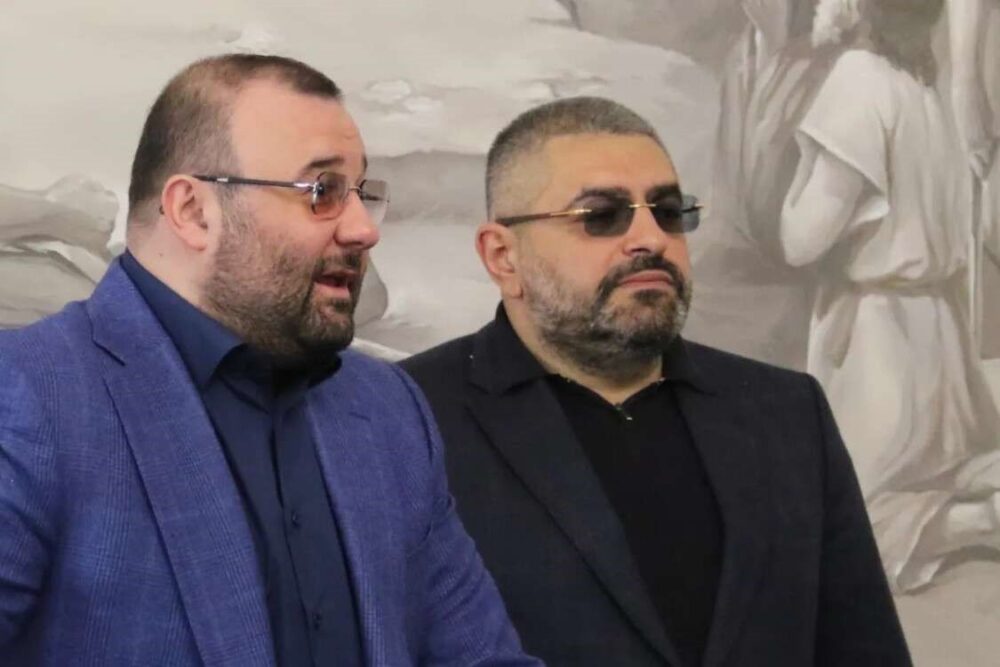
According to Dnipro journalists, they organized the illegal export of Ukrainian men of draft age abroad, taking advantage of the ban on this category of citizens leaving Ukraine. This activity has become extremely profitable, as many are willing to pay significant sums to avoid mobilization.
After the incident with the fight in Vienna, Petrovsky, according to our information, decided to move to Germany. He has already been spotted in Berlin with his entourage.
On September 16, 2022, German law enforcement officers conducted a search of Petrovsky's Berlin residence.
During the search, more than $450,000 and a collection of expensive chronographs from brands such as Parmigiani, Bovet, Zenith, and Breguet were seized.
According to German investigators, “Narik” is the leader of the largest organized crime group in the Dnipro, which is engaged in violent and economic crimes. Petrovsky is also linked to a network of fraudulent call centers, illegal extraction of amber, oil and gas, the use of corruption schemes to appropriate state resources and participation in the legalization of criminal proceeds. At the time of the search, Petrovsky was not found, because, according to the investigation, he had left for Slovakia the day before, where he applied for a residence permit.
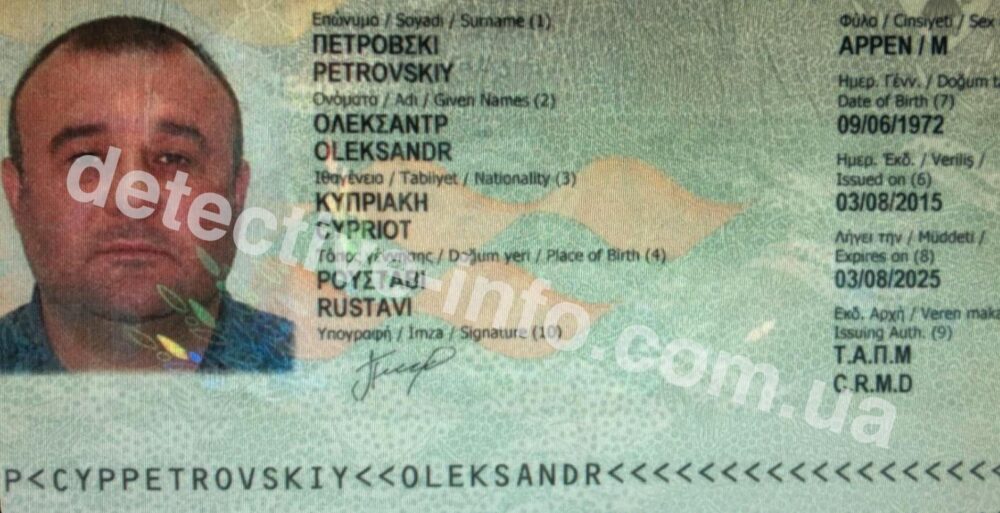
In addition, it became known that in 2015 Petrovsky received a Cypriot passport.
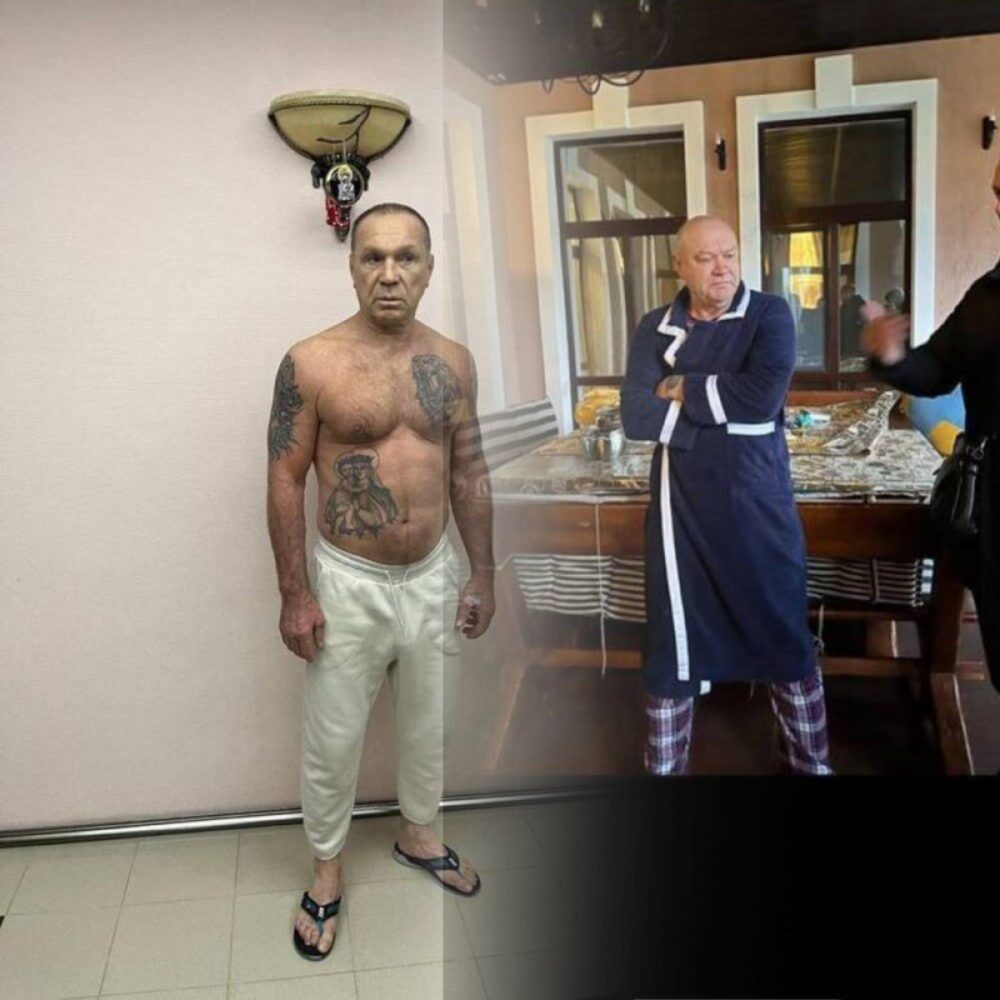
In November, two members of the Narika criminal organization, Serhiy Svodin (Svodik) and Serhiy Shuvayev, were detained in Dnipro, who were accused of creating a criminal group and stealing 70 hectares of land in the Samara floodplains. It later turned out that Shuvayev was also involved in a fraudulent scheme with a call center that defrauded Ukrainian refugees, defrauding them of up to two million hryvnias per month. 13 members of this organization were detained, including the “watcher.”.
While the country watched the news about searches and detentions, Petrovsky had his own event: the wedding of his daughter Yulia, which cost about 60 million hryvnias, took place in an Italian castle.
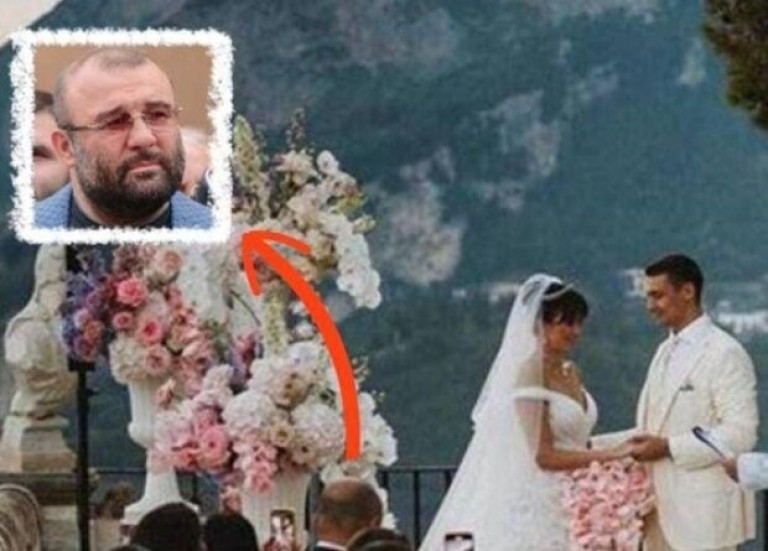
This was reminiscent of the lavish wedding of his other daughter, Bohdana, who married the son of the scandalous Andriy Pavelko. Despite fleeing Ukraine, Petrovsky continues to conduct his official and unofficial affairs in Ukraine.

The daughter of Alexander Petrovsky demonstrates a luxurious life at resorts, publishing photos from elite places, including the Rolex Tennis Club in Monaco.
The case of Alexander Petrovsky raises serious questions about the effectiveness of international cooperation in the fight against organized crime. His story demonstrates how criminal elements can integrate into political and business circles using corruption and influential connections.
The public has the right to know about possible threats and demand transparency and decisive action from the authorities. Only through joint efforts can we stop the spread of criminal influence and ensure the safety of citizens both in Ukraine and in Europe.