
In the Dnipropetrovsk region, law enforcement officers have uncovered a criminal group that was selling cars imported as humanitarian aid for the Armed Forces of Ukraine. According to preliminary data, the organizer and his accomplices sold at least 10 vehicles.
How the criminal scheme worked
According to the Prosecutor General's Office, the criminal activity was organized by a resident of Dnipro. His group included five other people, including the director of a charitable organization, two brothers of the organizer, and their acquaintance.
The scheme worked as follows:
- One of the accomplices was looking for cars with European registration in Poland.
- The vehicles were delivered to border checkpoints.
- The director of the charitable organization prepared customs declarations and letters of guarantee, which allowed the car to be imported into Ukraine under a simplified procedure as humanitarian aid for the Armed Forces of Ukraine.
- The suspects then drove the cars deep into the country, after which they placed ads for their sale on online platforms and social media at prices below market prices.
What the investigation found
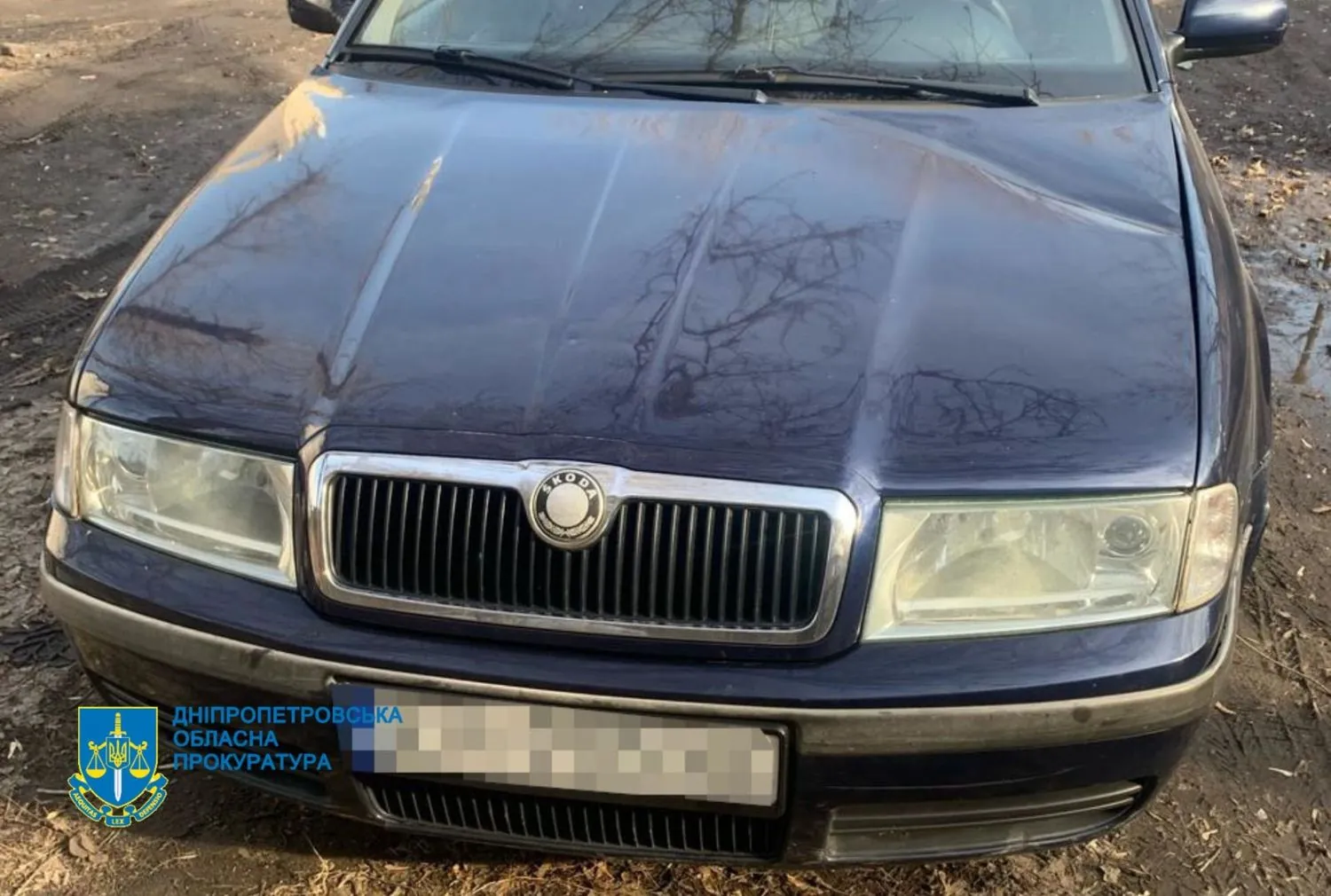
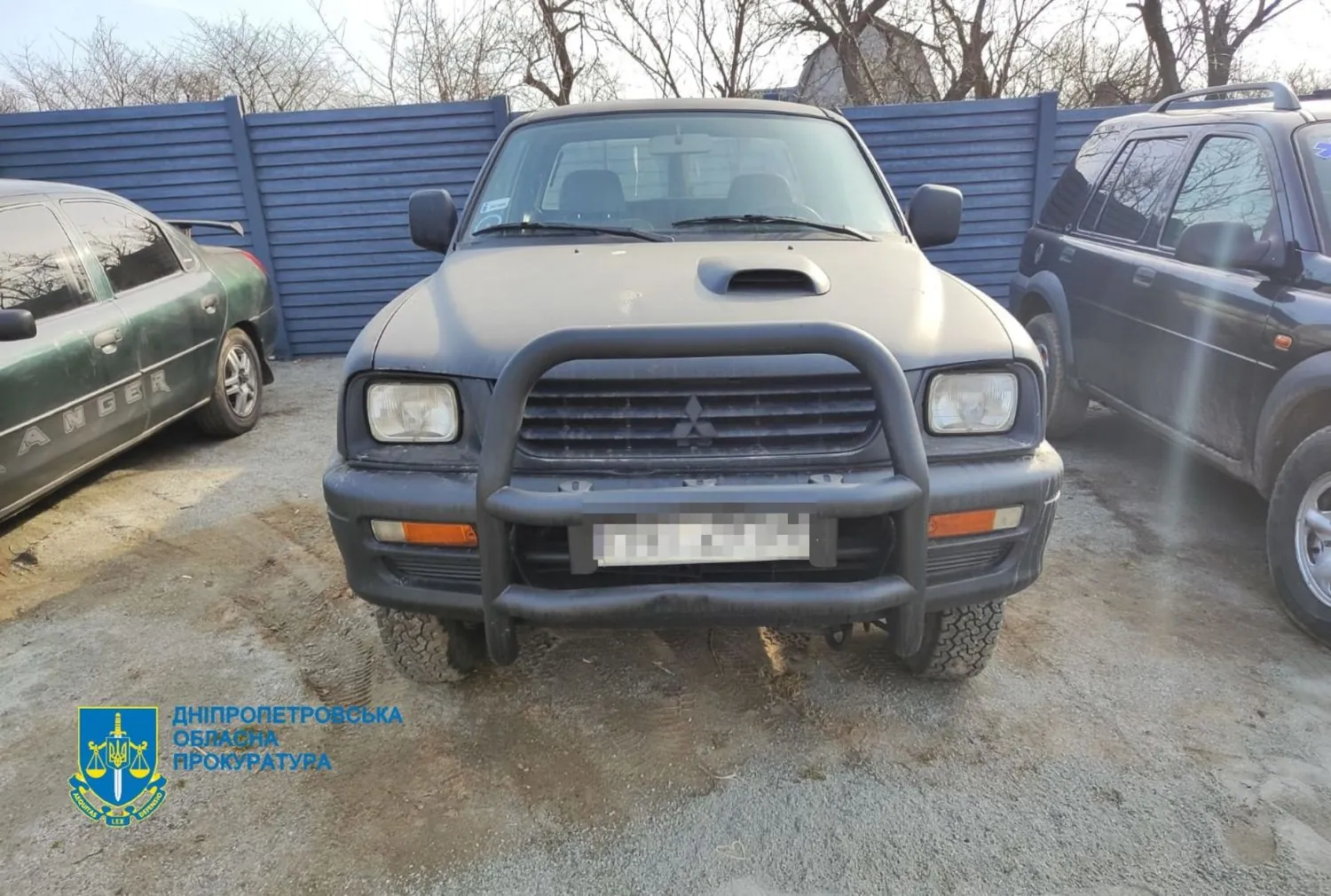
According to preliminary data, the criminals managed to sell at least 10 cars. During the searches, the following were seized from the suspects:
- Cash,
- Documents confirming transactions,
- Cars,
- Other physical evidence.
Law enforcement officers are currently deciding on the choice of preventive measures for the suspects.
The resonance of the case and responsibility
This case has received wide publicity, as using humanitarian aid for personal enrichment is not only a criminal offense, but also an immoral act at a time when the military needs comprehensive support.
For such a crime, the participants in the scheme face liability for illegal actions with humanitarian aid, as provided for by the Criminal Code of Ukraine. If proven guilty, they face a long term of imprisonment.
We will remind you
Earlier, in the Kyiv region, law enforcement officers exposed an administrator of a service center of the Ministry of Internal Affairs who, for a bribe of 10-14 thousand hryvnias, "helped" pass driving license exams. He convinced clients that it was impossible to obtain a license without his services.