
Занурення в крижану ополонку на Водохреще, яке сьогодні є популярним святковим обрядом серед багатьох українців, має досить сучасне походження. Попри те, що цю традицію часто сприймають як давню та невід’ємну частину української культури, її історія свідчить про інше.
Купання в ополонці на Водохреще не є давнім звичаєм, характерним для українських земель. У християнській традиції основним обрядом, пов’язаним із цим святом, є освячення води. У минулому саме хрещення новонавернених вірян було ключовою подією цього дня.
Вважається, що занурення у воду на Водохреще — це своєрідний “рудимент” практики масового хрещення вірян, яке проводилося ще в перші століття християнства. Однак сам звичай купатися в ополонці після освячення води набув популярності лише в пострадянський період, коли “бандюгани”, які повибивалися у чиновники, почали фотографуватися та показувати, які вони “побожні люди” й купаються на Водохреще. Особливо така забава на свято була поширена на російській території.
У спогадах козацької доби є розповіді, як козаки, українці того часу з повагою ставилися до освячення води в день Водохреща. Люди йшли за водою зі своїми посудинами і ніколи не лізли у щойно освячену воду, яку з благоговінням набирали собі додому.
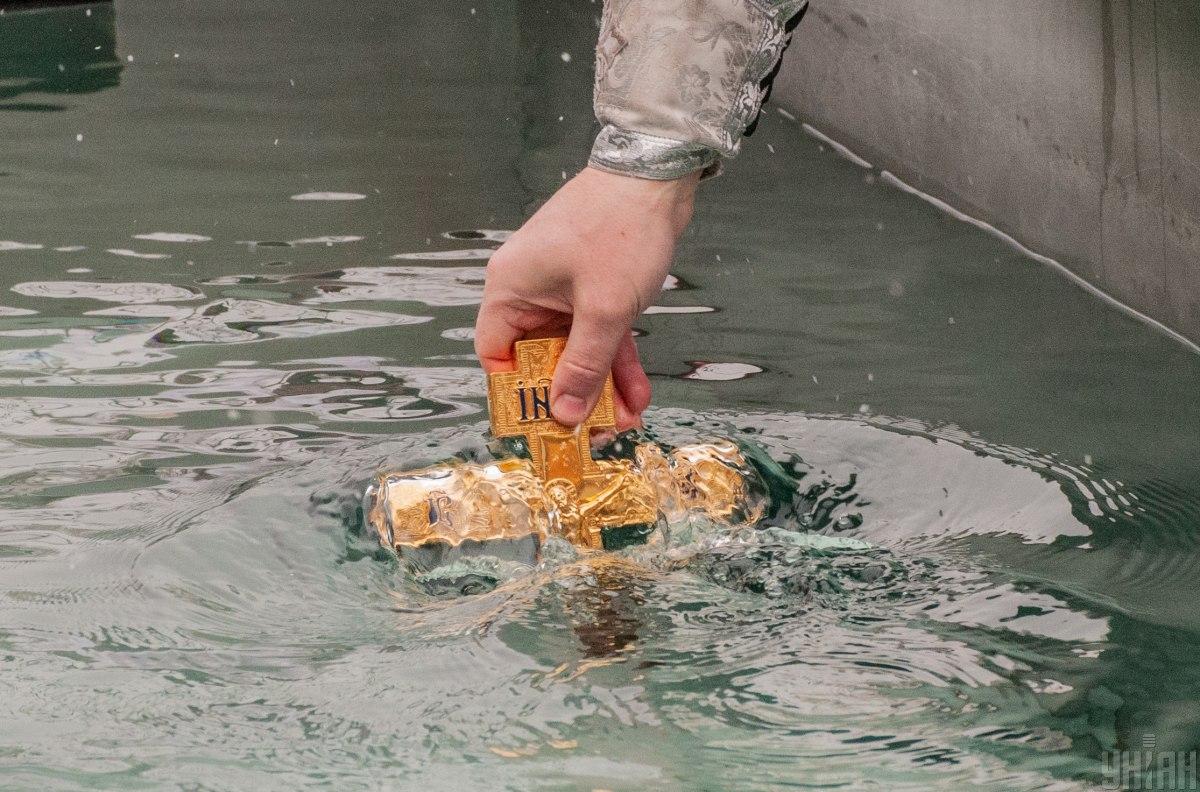
Традиція водохресних купань в освяченій воді походить з територій, на яких зароджувалося християнство, у тому числі з Римської імперії. На землях, які раніше входили до цієї імперії, не такі суворі зими, як у нас. Варто зазначити, що у Греції є традиція діставати з води хрест, який єпископ викидає, і багато людей пливуть та пірнають за ним. Це довколоцерковна забава.
І пірнання в ополонку у нас варто сприймати як певну святкову народну забаву, а не як релігійну традицію.
Як правильно купатись на Водохреще
Терапевтка Тетяна Градик пояснила, як правильно пірнати в ополонку. Обов’язковим є дотримання таких правил:
- Люди мають бути неголодні.
- У воді потрібно перебувати не довше, аніж 3-5 секунд.
- Ліпше окунатися лише до шиї, щоб не намочити волосся. Якщо волосся лишиться сухим, – зменшиться імовірність виникнення ГРВІ.
- До занурення підготувати сухі рушники та одяг, щоб можна було відразу після пірнання витертися й одягтися.
Тільки за таких умов пірнання будуть безпечними.
Кому не можна купатися на Водохреще
Тетяна Градик нагадує, що не можна пірнати в ополонку людям з:
- хронічними хворобами серцево-судинної системи і перенесеним інфарктом;
- гіпертонією;
- хворобами нервової системи (наприклад, епілепсією);
- черепно-мозковими травмами;
- порушеннями судин головного мозку;
- ендокринними хворобами, в тому числі цукровим діабетом;
- шкірно-венерологічними захворюваннями;
- нещодавно перенесеними операціями чи важкими травмами.
Ще слід уникати занурення в ополонку особам, які мають глаукому, гострі запальні захворювання носоглотки, придаткових пазух носа чи вух або кон’юнктивіт, запалення легень, бронхіт, бронхіальну астму. Не варто пірнати й тим, хто має захворювання сечостатевої системи, шлунково-кишкового тракту, до прикладу, виразкову хворобу шлунку, холецистит.
Також лікарка пояснила, чи можна купатися на Водохреще дітям:
“Я б не рекомендувала окунати в ополонку дітей віком до трьох років. Якщо дитині від 3 до 10 років, то їй можна купатися в ополонці лише з дозволу педіатра. Для занурення в льодяну воду діти мають бути здоровими, і перед купанням їм треба проходити підготовку, поступово загартовуватися щоденно або хоча б щотижня упродовж року. Під час загартовування температуру, в якій купаються діти, мають поступово знижувати.”
За словами терапевтки, 10-річного віку діти можуть пробувати занурюватися в ополонку разом з дорослими після попередньої підготовки, якщо у них немає протипоказань для купання.