On March 9, Ukraine celebrates the birthday of one of the greatest sons of the nation — Taras Hryhorovych Shevchenko, who was destined to become one of the most outstanding Ukrainians of all time. The son of enslaved peasants resolutely condemned serfdom and called on Ukrainians to fight for their independence. Only more than 100 years after the death of the Kobzar did his ardent dream come true. It is not for nothing that he is called the Prophet, because the poems written by Taras Shevchenko about Ukraine have not lost their relevance in our days.
All Ukrainians respect Taras Shevchenko – the master’s biography is well known to everyone. However, in the Kobzar’s eventful life there were many events about which the general public knows little. We have told you interesting facts about the Kobzar’s life and preferences that will amaze you.
What is Taras Shevchenko famous for - interesting facts and a short biography
Taras Shevchenko was born on March 9, 1814 in the village of Moryntsi, which is now a popular tourist destination for Kobzar fans. The Shevchenko family had 7 children and lived in extremely difficult conditions.
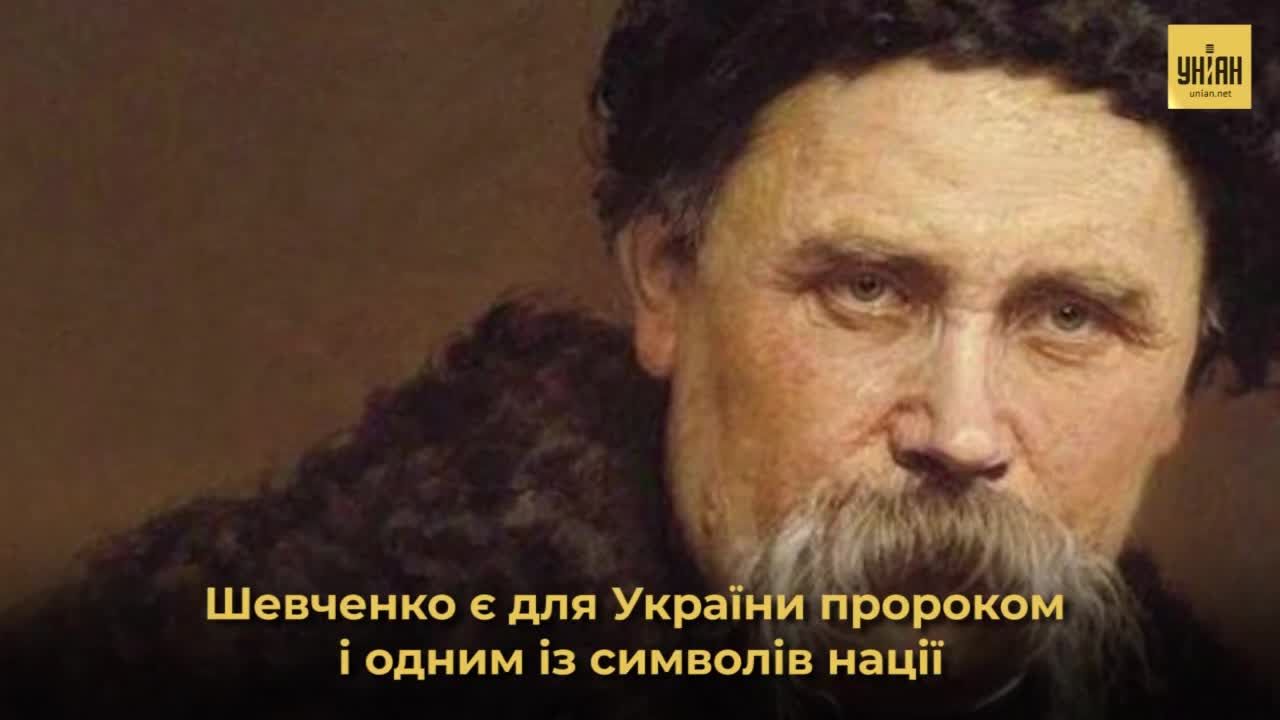
Taras learned literacy, arithmetic, and drawing from local clergymen. It was for the latter skill that he became famous during his lifetime. Although we now honor Shevchenko primarily as a poet, as an artist he showed no less talent. His paintings can be seen in the National Taras Shevchenko Museum. It is thanks to his detailed self-portraits that we know what the Kobzar looked like.
In 1831, Shevchenko moved to St. Petersburg with his landowner Engelhard. The latter wanted to make money from Taras's paintings, so he sent him to study with the painter Vasyl Shiryayev. There, he met talented young artists who managed to ransom him from serfdom.
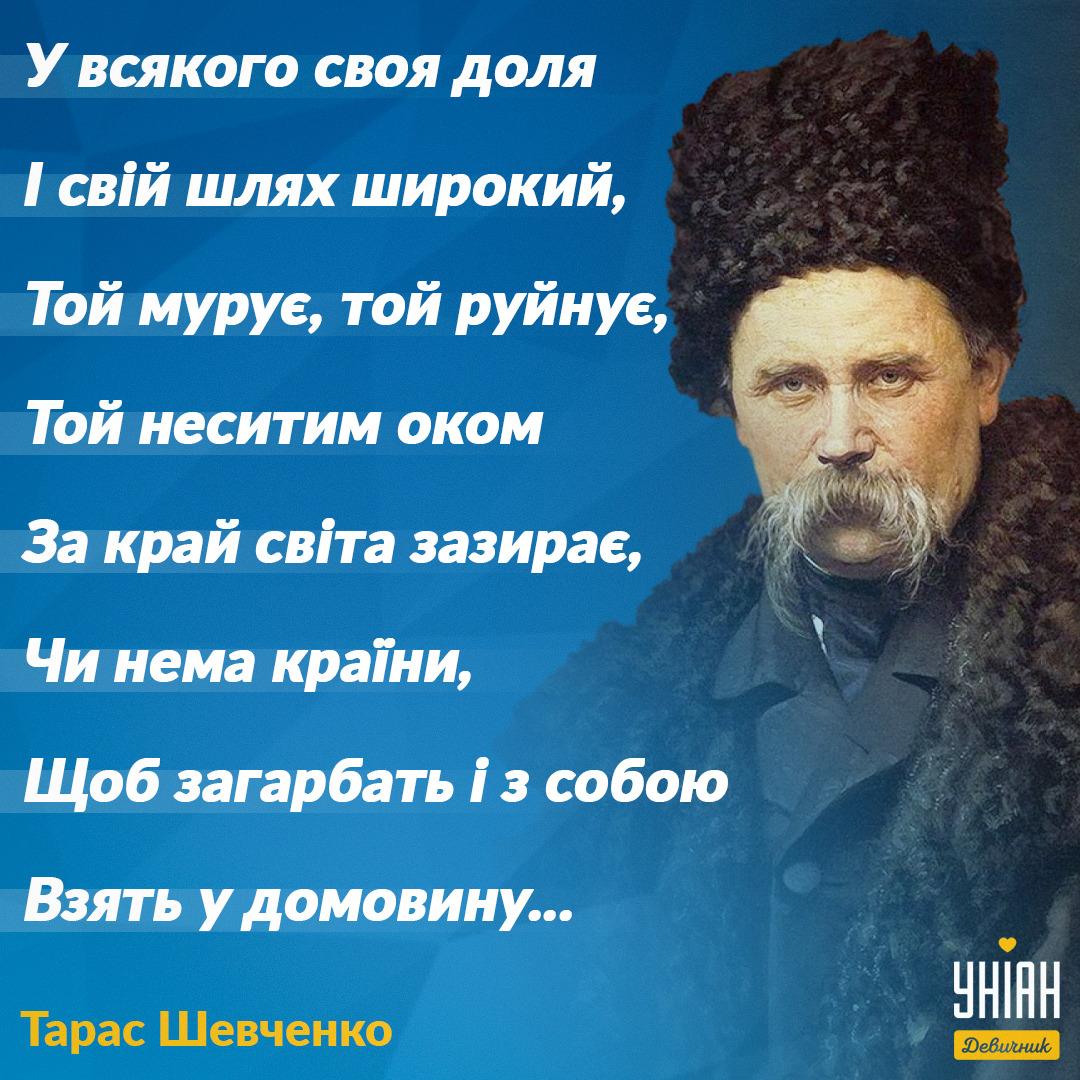
Having gained freedom, Taras continued to practice drawing and writing poetry. In 1840, his first collection of poems, “Kobzar,” was published. And although it did not contain any overt revolutionary calls, the reaction of the tsarist authorities was extremely negative. Because of his outspoken anti-serf views and membership in the “rebellious” Cyril and Methodius Society, in 1847 Shevchenko was sentenced to 10 years of exile.
During his sentence, Shevchenko continued to write poetry, although it was strictly forbidden. In 1859, after his release, he was allowed to visit Ukraine, but was soon arrested again. Constant arrests, torture, and hard forced labor undermined the artist's health. On March 10, 1861, at the age of 47, he died in St. Petersburg, in a foreign land.
Here are some more interesting facts about Kobzar:
- Taras was the only child in the family whose parents sent him to study. Even in his youth, they saw his desire for science.
- In his youth, the boy earned a living by painting: he painted and sold portraits of the rich.
- The greatest dream of Kobzar's life was to redeem his brothers and sisters from serfdom, but, unfortunately, this never happened.
- While studying in St. Petersburg, he became involved in social circles and began to dress fashionably. He once spent almost his entire annual salary on a new raincoat. He also spent a lot of money on entertainment, playing cards, and drinking with friends.
- The artist also loved to eat deliciously. It is known that his favorite dishes were borscht with dried crucian carp, sausages, and dumplings, and he washed it all down with strong tea with rum.
- The amount of Shevchenko's ransom from serfdom is equivalent to approximately $40,000 in modern times.
- Once he learned Polish for the sake of his beloved Polish woman, but was unable to marry due to the ban on marriages between a serf and a free peasant woman.
- The poet lived in St. Petersburg for 17 years, but never wrote that he liked the city. In his works, he only glorified Ukraine.
- In 1861, he published a primer for free schools at his own expense.
- Taras's works were intended mainly for Ukrainian nobles, not peasants, because common people at that time did not know how to read.
- The artist was a famous ladies' man and often fell in love, but he never married.