
Другий рік повномасштабного вторгнення Росії в Україну показав тенденцію до “замороження” конфлікту. За цей проміжок часу обом сторонам не вдалося прорвати оборону противника на значну глибину і війна з маневреної перейшла в позиційну.
Але навіть за таких умов відбулися битви, які увійдуть в історію.
Протягом 2023 і на початку 2024 року Росія змогла виграти криваві й жорсткі битви за два міста на Донеччині – Бахмут і Авдіївку. В обох випадках, за даними української і західних розвідок, Кремль зазнав неспівмірно великих втрат у живій силі.
Україна, своєю чергою, не змогла досягти анонсованих цілей свого наступу. Проте їй вдалося пробити потужну російську лінію оборони в Запорізькій області і провести надзвичайно складну операцію з форсування Дніпра та утримання плацдарму на лівобережжі Херсонщини.
Пригадуємо, як це все відбувалося.
Бахмут
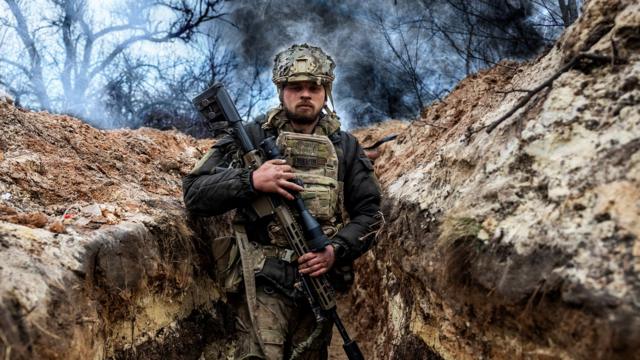
Отямившись від болючих поразок на Харківщині і Херсонщині восени 2022 року, Росія почала свою потужну наступальну операцію на Донбасі. Ціллю стало промислове містечко Бахмут.
Основна рушійна сила російських атак – загони найманців приватної військової компанії “Вагнер”. Її власник – Євгеній Пригожин – відкрито вербував тисячі в’язнів з російських тюрем. На полі бою їх використовували як “гарматне м’ясо”.
Тиск на українську оборону біля Бахмуту вони почали ще восени 2022 року, а в січні 2023 їм вдалося прорвати оборону біля містечка Соледар за 5 км на північ від Бахмуту.
Після цього успіху росіяни почали стрімко оточувати місто з південного і північного флангів.
Тоді ж в української владі постало питання: чи відвести війська з Бахмуту, щоб їх не оточили, чи триматись до останнього. За даними ЗМІ, тодішній головнокомандувач ЗСУ генерал Валерій Залужний був за відхід і збереження сил, а президент Володимир Зеленський – проти. Відповідно, українські військові отримали наказ триматись до останнього в Бахмуті.
АВТОР ФОТО,REUTERS
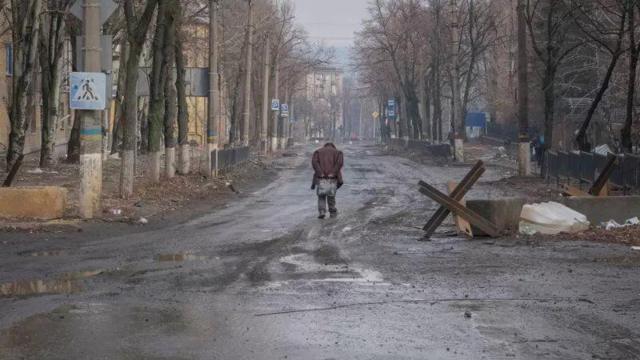
АВТОР ФОТО,REUTERS Підпис до фото, Колись велике промислове місто Бахмут перетворилось в руїни
АВТОР ФОТО,EPA
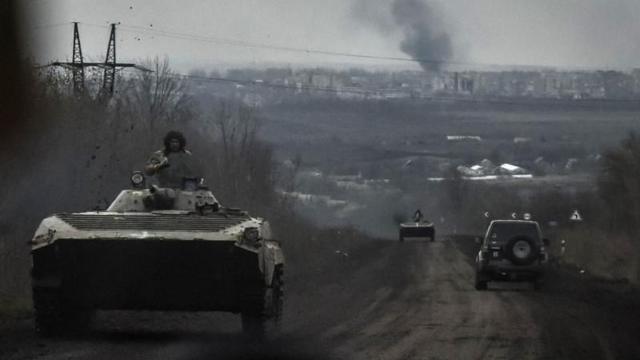
Станом на початок весни росіянами вдалося перерізати більшість доріг до міста. Останній шлях, який вів з Бахмута до селища Часів Яр перебував під постійною загрозою атак.
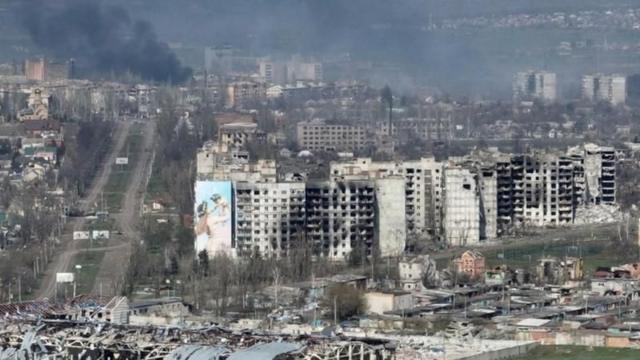
Крім обходу з флангів бойовики “Вагнера” також зайшли всередину міста і почалися бої в житловій забудові. Росіяни знищували квартал за кварталом. Панорама міста з висоти пташиного польоту показує, що Бахмут за пів року бойових дій зруйнований майже на 90%.
В травні російські сили відтіснили українців на околиці, і 20 травня Кремль оголосив про те, що повністю захопив Бахмут. Українська влада так і не визнала цього публічно.
Операція на цьому напрямку отримала назву “Бахмутська м’ясорубка” через величезні втрати обох сторін. Офіційні дані щодо загиблих досі невідомі, але за приблизними підрахунками, вони можуть досягати до 50 тисяч бійців.
Роботине
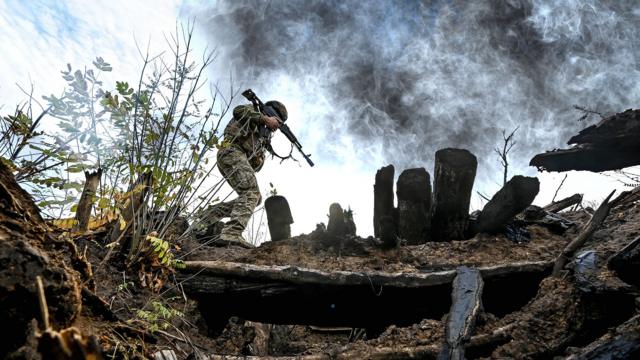
Паралельно з тим, як тривала битва за Бахмут, Україна готувала нові підрозділи, щоб провести свій наступ. Нові бригади були навчені на Заході і озброєні іноземною бронетехнікою, зокрема танками Леопард і бронемашинами Бредлі.
Український наступ почався 4 червня в Запорізькій області. Підрозділи ЗСУ наступали не на одній ділянці фронту, а відразу на кількох. Але основний напрямок удару був біля села Роботине. Це маленьке село, яке лежить між українським містом Оріхів і окупованим росіянами Токмаком.
Для України було важливо захопити Роботине, потім рухатись на Токмак і вийти до Мелітополя, щоб перерізати російський сухопутний коридор з Криму на Донбас.
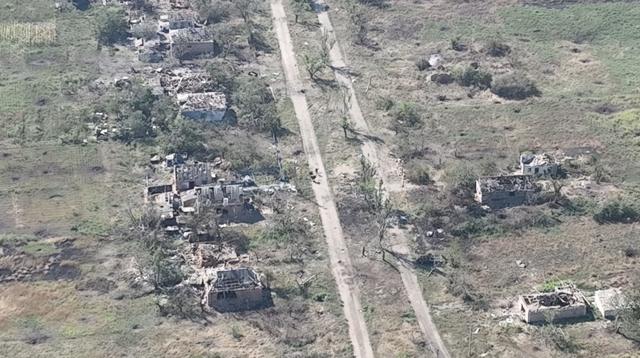
АВТОР ФОТО,REUTERS Підпис до фото, Невелике село Роботине було вщент знищене за час боїв. Зараз його утримує українська армія, яка звільнила цей населений пункт в серпні 2023 року.
АВТОР ФОТО,REUTERS
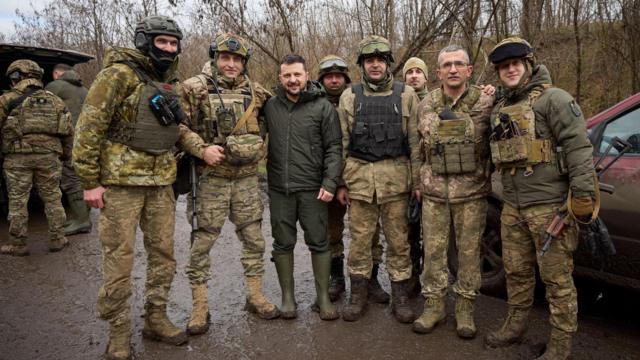
АВТОР ФОТО,EPA Підпис до фото, На початку лютого позиції ЗСУ біля Роботиного відвідав президент України Володимир Зеленський.
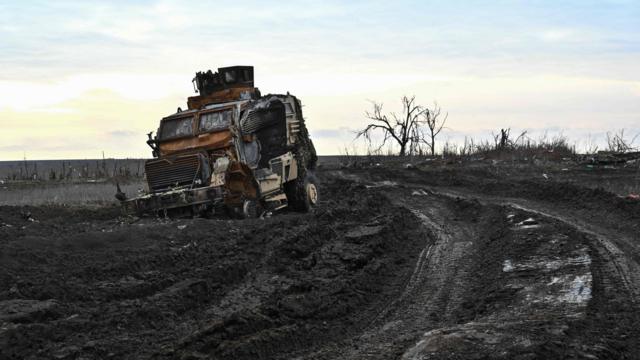
Але перші українські атаки в цьому регіони зазнали невдачі. Росіяни побудували потужні оборонні укріплення, які включали багато кілометрів окопів, перешкоди для танків і величезні мінні поля.
Через це українці не змогли швидко звільнити Роботине і потрапили під вогонь росіян. До того ж, українська армія не мала прикриття з повітря і тому бійці на землі виявилися беззахисними.
В перші дні наступу ЗСУ втратили багато бійців і техніки біля Роботиного. На сусідніх ділянках наступ тривав трошки краще. Біля селища Велика Новосілка українцям вдалося звільнити 5 сіл і просунутись на 10 км вглиб російської оборони.
Однак битва за маленьке село Роботине тривала майже три місяці. Українці вирішили змінити тактику і менше використовувати дефіцитну західну бронетехніку, натомість більше атакувати піхотними групами.
Це дало результат – 28 серпня українська влада оголосила про звільнення Роботиного від російських військ.
Але українська армія витратила на це занадто багато сил і часу, а тому не змогла рухатись далі в бік Токмака і Мелітополя. До кінця осені наступ тут фактично припинився.
Взимку вже російські війська почали свої атаки на Роботине, намагаючись нівелювати успіхи наступу ЗСУ на цій ділянці.
Кринки. Плацдарм на Херсонщині
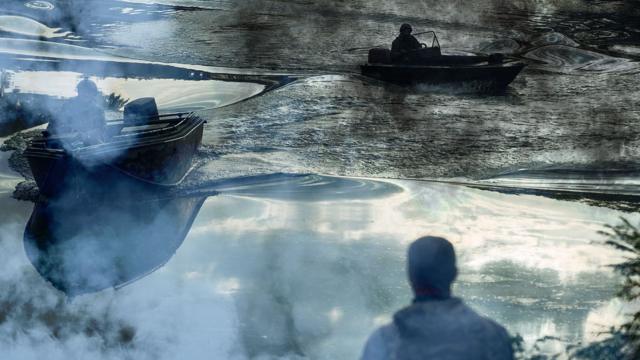
Одним із найбільших успіхів для української армії в 2023 році став плацдарм на лівому березі Херсонщини.
Після звільнення обласного центру Херсона в 2022 році лінія фронту між українськими і російськими військами проходила по річці Дніпро. Жодна зі сторін не мала достатньо сил і засобів, щоб вдало форсувати цю водну перешкоду і висадитись на березі противника.
Крім того, на початку червня відбувся підрив дамби Каховської ГЕС, що затопив значні території в Херсонській області. Українська влада і міжнародні експерти кажуть, що вибух могла влаштувати Росія, щоб завадити військовим операціям ЗСУ.
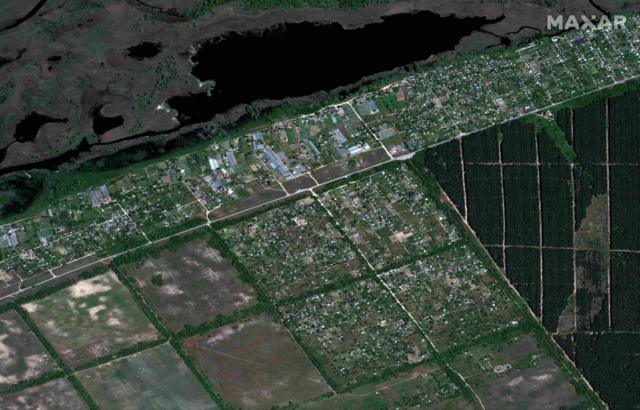
АВТОР ФОТО,REUTERS Підпис до фото, Супутниковий знімок села Кринки на Херсонщині в травні 2023 року. Через пів року цей населений пункт перетвориться на плацдарм ЗСУ і буде знищений постійними бомбардуваннями та обстрілами з боку російської армії.
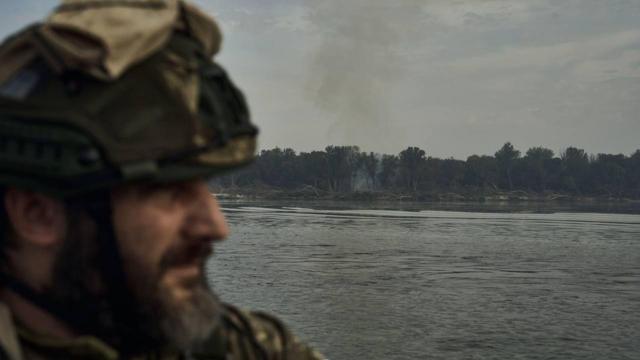
АВТОР ФОТО,KOSTIANTYN LIBEROV AND VLADA LIBEROVA
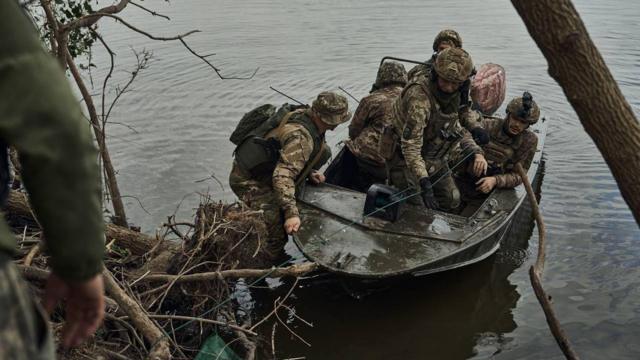
АВТОР ФОТО,KOSTIANTYN LIBEROV AND VLADA LIBEROVA.
Але восени 2023 року стало відомо, що українські військові все ж змогли переправитись через Дніпро і створити плацдарм на лівому березі.
Тривалий час про це не повідомляли офіційно, лише в середині листопада про плацдарм оголосила українська влада.
Цей плацдарм дуже невеликий і розташований біля села Кринки. Росія намагається ліквідувати його, постійно обстрілюючи артилерією і авіацією. Населений пункт фактично стертий з лиця Землі.
Попри все, українським бійцям вдається утримувати плацдарм.
Він важливий для сковування військ РФ, а також для того, щоб українська армія змогла рухатися далі в Херсонській області в бік окупованого Криму.
Міністр оборони РФ Сергій Шойгу 20 лютого доповів Володимиру Путіну, що Кринки “зачищені” від українських військ. Але це виявилося неправдою, про що відразу ж заявили, як українські джерела, так і російські “воєнні блогери”.
Операція з такого тривалого утримання плацдарму, який розміщений на ворожому березі й забезпечується виключно за допомогою човнів, без бронетехніки та авіації, має всі шанси ввійти в підручники військового мистецтва.
Авдіївка
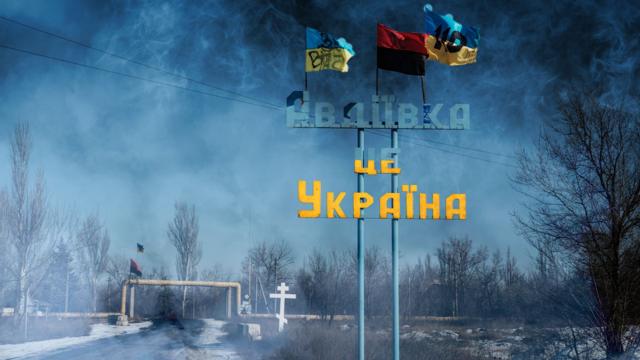
Авдіївка – невелике промислове місто дуже близько біля Донецька, захопленого проросійськими бойовиками ще 10 років тому – навесні 2014 року.
Всі ці роки Авдіївку утримували українські війська, які побудували там міцні оборонні укріплення.
10 жовтня 2023 року російська армія почала потужний наступ на Авдіївку, аби вибити з міста українські сили.
За оцінками Києва, на початку в наступі брали участь близько 40 тисяч російських військ, які рухались з південного і північного флангу, намагаючись обійти Авдіївку і взяти її в кільце. Загалом, за даними військових аналітиків, в операції взяли участь 60-80 тисяч армійців РФ.
Українська влада заявила, що росіяни зазнали тут величезних втрат. Так, лише за перший місяць наступу вони втратили начебто близько 10 тисяч бійців. Усього за 4 місяці Авдіївської операції втрати РФ, за підрахунками українського генштабу, склали 17 тисяч загиблих і майже 30 тисяч поранених.
Схожі дані навів і російський військовий, “воєнний блогер” Андрій Морозов (Мурз). Він повідомив, що Росія втратила під Авдіївкою 16 тисяч бійців. Через розголошення цієї інформації на нього почався тиск і він наклав на себе руки.
АВТОР ФОТО,GETTY IMAGES
АВТОР ФОТО,GETTY IMAGES
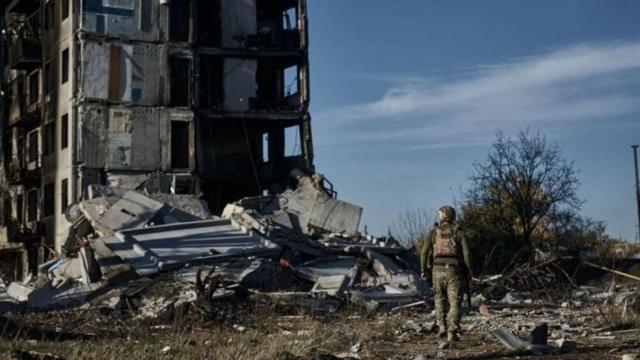
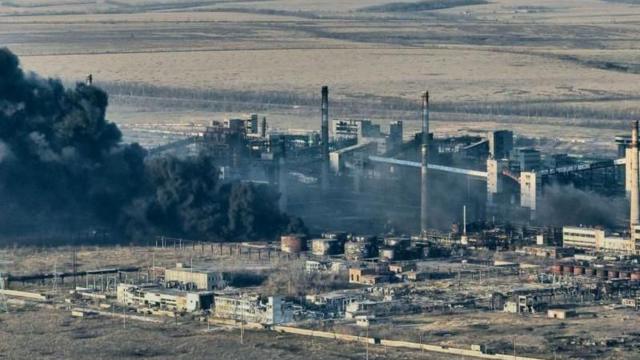
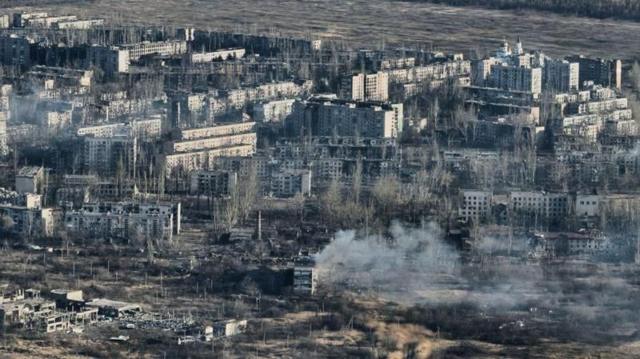
АВТОР ФОТО,GETTY IMAGES Підпис до фото, Авдіївка – бастіон Збройних сил України і остання ділянка фронту, яка трималася з початку російського вторгнення в 2014 році. В лютому 2024 вона була вщент знищена і впала під час потужного наступу військ РФ.
За перші три місяці боїв біля Авдіївки росіянам вдалося просунутись лише на декілька кілометрів на півночі і на півдні міста. Також вони наблизилися до місцевого коксохімічного заводу, який утримували українці.
Прорив фронту стався наприкінці січня і на початку лютого. Тоді групи російських військ змогли переміститися закинутим підземним водогоном до житлової забудови на півдні Авдіївки, а пізніше прорвалися через дачний масив на північному сході міста.
Росіяни замість оточення всього міста почали “розрізати” навпіл український гарнізон, що його обороняв. Вони швидко наблизилися і змогли взяти під контроль основну дорогу з Авдіївки через село Ласточкине. В таких умовах залишатися в місті для ЗСУ ставало занадто ризиковано.
Вранці 17 лютого українські сили вийшли з Авдіївки, і Росія оголосила про захоплення міста.
Що буде далі?
АВТОР ФОТО,REUTERS
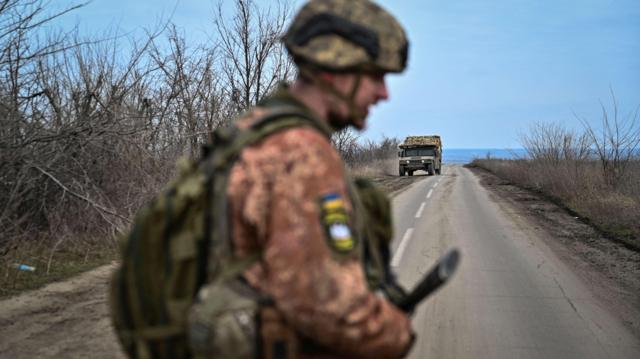
Третій рік повномасштабної війни навряд чи принесе затишшя на фронті, прогнозують експерти.
Росія, цілком можливо, спробує продовжити свій наступ на Донбасі. Її найближчими цілями можуть стати містечка Часів Яр, Новомихайлівка і Вугледар. Вже зараз на цих ділянках фронту російські війська суттєво посилили свій тиск.
Також росіяни спробують захопити Куп’янськ в Харківській області, який є важливим залізничним вузлом і має вигідне стратегічне розташування на річці Оскіл.
Українська влада, вірогідно, зосередиться на обороні й підготовці нових резервів. Якщо міжнародна підтримка України не впаде і Захід передасть ЗСУ достатньо зброї, то, можливо, українським військам вдасться провести локальні наступальні операції в Запорізькій області, а також на Херсонщині.
Вони можуть стати успішними, якщо Україна отримає в достатній кількості далекобійні ракети й обіцяні літаки F-16. Ці сучасні літаки зможуть забезпечити прикриття з повітря для сухопутних військ.
Однак переважна більшість аналітиків впевнені, що третій рік великої війни буде для України насамперед роком стратегічної оборони і підготовки нових резервів.
