
У випромінюванні від мікрохвильовки немає нічого небезпечного. Але чи стосується це пластикових упаковок, в яких гріють їжу? Ось що кажуть останні дослідження.
Протягом десятиліть мікрохвильова піч була і залишається робочою конячкою наших кухонь. Втім цей предмет домашнього вжитку породив так багато дискусій і протилежних думок.
Мікрохвильовку називали справжнім порятунком для тих, хто не вміє і не збирається готувати, тоді як деякі шеф-кухарі стверджували, що цей винахід вбиває мистецтво готування.
Але є ще одне вічне питання, і воно не про тонкощі кулінарного мистецтва: коли приготування їжі у мікрохвильовці шкодить здоров’ю?
За даними Всесвітньої організації охорони здоров’я, при правильному використанні випромінювання мікрохвильової печі не становить ризику. Але є й інші побоювання – зокрема, чи призводить готування їжі в мікрохвильовці до втрати поживних речовин та чи може нагрівання їжі у пластиковому посуді викликати гормональний збій.
Втрачені поживні речовини?
Деякі дослідження свідчать, що овочі втрачають у мікрохвильовці частину своєї поживної цінності.
Наприклад, з броколі може зникнути до 97% флавоноїдів – фітохімічних речовин з антимікробними та антиоксидантними властивостями. Це на третину більше, ніж після варіння.
Втім, в одному дослідженні 2019 року вказано, що попередні експерименти з броколі здійснювали за різної температури, різного часу приготування і не враховували, чи був продукт у воді.
Виявилося, що при короткому готування (коли ці овочі залишалися в мікрохвильовій печі одну хвилину) поживні речовини не зникають. Готування на пару або в мікрохвильовці може навіть збільшити обсяг флавоноїдів.
“В умовах приготуванні, що використовуються в цьому дослідженні, готування у мікрохвильовій печі виявилося кращим способом зберегти флавоноїди, ніж готування на пару”, – писали вчені.
При цьому вони виявили: якщо готувати в мікрохвильовці броколі з занадто великою кількістю води (приблизно з такою, яку ми застосовуємо при варінні в каструлі), то обсяг флавоноїдів падає.
Конкурентом мікрохвильовки може стати звичайна духовка, кажуть експерти.
Дослідження 2020 року порівняло рівень поживної цінності заморожених напівфабрикатів, оброблених у мікрохвильовій печі, та тих самих страв, приготованих у звичайній духовці. Дослідники виявили, що єдина різниця між ними полягала в тому, що страва з мікрохвильовки зберігала трохи більше вітаміну С. Але причину цього вчені не пояснили.
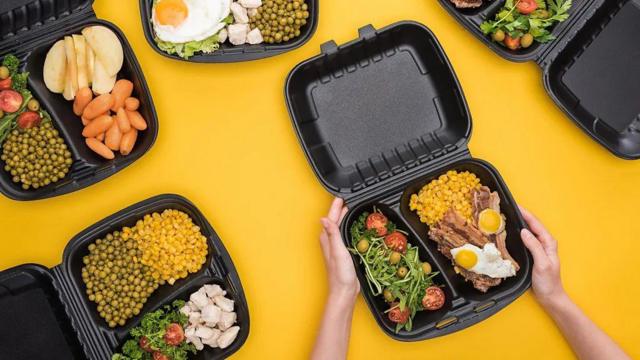
АВТОР ФОТО,GETTY IMAGES Підпис до фото, Деякі продукти, наприклад, зелений горошок, втрачають поживні речовини при готуванні на пару або в мікрохвильовці, однак інших, як-от квасолі, це не стосується
Єдиного пояснення того, що готування в мікрохвильовій печі підвищує рівень флавоноїдів немає, каже Сян Лі Ву з дослідницького центру Белтсвіл при міністерстві сільського господарства США.
Можливо, після мікрохвильовки їх просто легше виявити й виділити, і ніякого збільшення кількості тут немає.
Немає також однозначної відповіді на запитання, чи зберігають овочі після мікрохвильової печі більше поживних речовин, ніж після інших способів приготування, вважає Сян Лі Ву.
“Хоча загалом мікрохвильова піч – кращий інструмент для приготування їжі, оптимальний час приготування буде різним для різних овочів”, – пояснює він.
Тож навіть якщо мікрохвильовка і кращий інструмент, але далеко не для всієї рослинної їжі.
В іншому дослідженні науковці порівняли вміст фенолів (сполук, що діють як антиоксиданти й мають багато переваг для здоров’я) у різних овочах після варіння, приготування на пару та в мікрохвильовій печі.
Обробка в мікрохвильовці та парове приготування призвели до зниження вмісту фенольних сполук у гарбузах, горосі та цибулі-пореї, але не в шпинаті, перці, броколі чи зеленій квасолі. Дослідники також перевірили антиоксидантну активність.
Виявилось, що кращі показники мали не варені овочі, а оброблені в мікрохвильовій печі.
Нещодавнє дослідження 2023 року також показало хороші результати щодо мікрохвиль. Науковці порівняли вплив варіння, обробки на пару та в мікрохвильовій печі різних овочів і дійшли висновку, що обробка в мікрохвильовці найбільш ефективна для збереження речовин.
Перегрітий пластик?
Ми часто гріємо їжу в мікрохвильовці у пластиковому контейнері або упаковці. Вчені щодо цього попереджають про ризик вдихання фталатів (ефірів фталевої кислоти, які, зокрема, використовуються під час виробництва пластикового посуду та упаковок – Ред.).
При високотемпературній обробці ці токсичні добавки можуть розщеплюватись і проникати в їжу.
“Деякі типи пластику не призначені для використання в мікрохвильових печах, оскільки складаються з полімерів, що розплавляються при нагріванні, а коли температура перевищує 100 градусів за Цельсієм, вони можуть потрапляти в їжу”, – каже Джумін Тан, професор харчової інженерії з Університету штату Вашингтон.
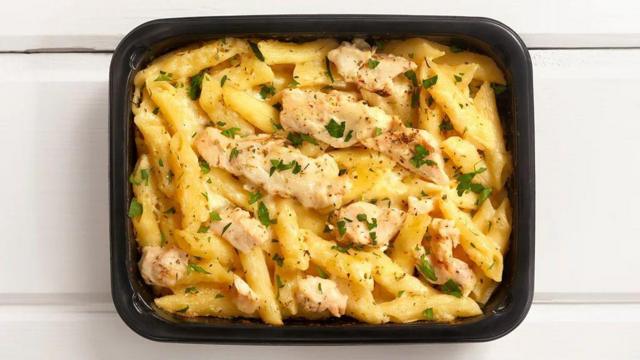
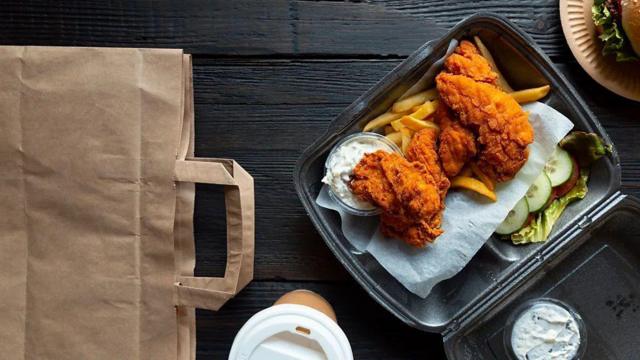
АВТОР ФОТО,GETTY IMAGES Підпис до фото, При розігріванні їжі у пластиковому посуді токсичні фталати можуть розщеплюватись і потрапляти в їжу
У дослідженні 2011 року вчені купили понад 400 пластикових харчових контейнерів і виявили, що більшість з них виділяли хімікати, що порушують роботу гормонів в організмі людини.
Фталати – найбільш поширені добавки, які роблять пластик більш гнучким. Вони часто містяться у контейнерах для їжі, пластикових упаковках та пляшках для води. Як з’ясувалося, фталати порушують роботу гормонів і нашої метаболічної системи.
У дітей фталати можуть підвищувати артеріальний тиск й інсулінорезистентність, що збільшує ризик метаболічних захворювань – наприклад, діабету і гіпертонії. З впливом фталатів також пов’язують безплідність, астму й синдром дефіциту уваги.
Фталати також є потенційними руйнівниками гормонів щитоподібної залози, зазначає професор медичного факультету Нью-Йоркського університету Леонардо Трасанде. Ці гормони, з-поміж іншого, мають вирішальне значення для розвитку мозку дитини під час вагітності.
Бісфенол – також поширений компонент пластикових виробів, і дослідження вказують на те, що він може порушувати роботу гормонів у людини. Дослідження 2020 року свідчить, що бісфенолу А, який може потрапити в організм з їжею здатен порушити поведінку клітин і блокувати дію природних гормонів через зв’язок з їхніми рецепторами всередині клітин. За словами дослідників, це може призвести до розвитку раку, гормональних збоїв, проблем з фертильністю, а також вплинути на нашу імунну систему.
Але таких досліджень мало – порівняно з тими, де вивчається вплив фталатів.
Фталати – всюди, від іграшок до лосьйонів для тіла, і, як і раніше, не до кінця ясно, наскільки велика від них шкода. Але більшість експертів сходяться на тому, що розігрів їжі в контейнері з пластику, що містить фталати, може збільшувати їхній вплив на людський організм.
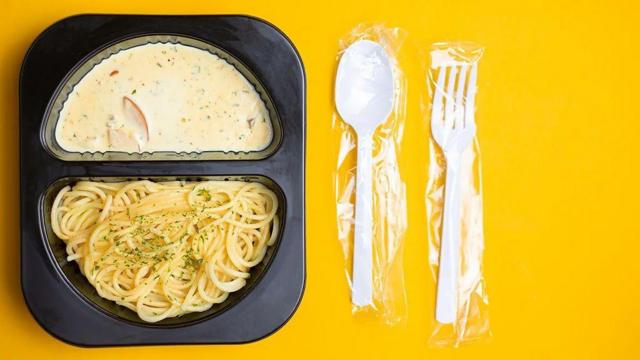
АВТОР ФОТО,GETTY IMAGES Підпис до фото, Фталати, як з’ясували вчені, порушують роботу гормонів та нашої метаболічної системи
“Розігрівання в мікрохвильовій печі активізує забруднювачі, – розповідає професор Рольф Халден, директор центру біодизайну в Університеті штату Аризона. – Цей процес використовують в лабораторіях для виділення забруднювачів зі зразків – перед тим, як розпочинати аналіз хімічного складу”.
При цьому, як зазначає Трасанде, рівень потенційного ризику не обов’язково залежить від того, наскільки часто людина розігріває їжу в пластиковому контейнері. Зв’язок тут – нелінійний.
“З численних досліджень ми тепер знаємо, що низький рівень впливу може бути якраз найнебезпечнішим. І немає такого рівня, який можна було б назвати безпечним”, – каже він.
Важливо пам’ятати, що коли пластиковий контейнер нагрівається, небезпека походить від тих поверхонь, які не стикаються з їжею. Наприклад, на кришці може конденсуватись волога, в якій містяться шкідливі речовини, які потім потрапляють у їжу у вигляді крапель”, – підкреслює Халден.
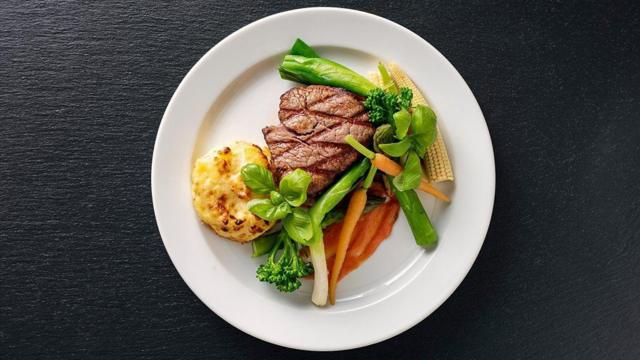
АВТОР ФОТО,GETTY IMAGES Підпис до фото, Щоб мінімізувати ризик при розігріванні їжі в мікрохвильовій печі, користуйтесь не пластиковими контейнерами, а керамічним посудом
Найнадійніший спосіб мінімізувати ризики – користуватися не пластиковими контейнерами, а, наприклад, керамічним посудом. Якщо ж користуватися пластиком, уникайте ситуації, коли контейнер деформований, оскільки старі й пошкоджені контейнери з більшою ймовірністю виділяють хімічні речовини.
Слід також перевіряти маркування на самому контейнері: ті, що з цифрою 3 та літерами “V” або “PVC”, містять фталати.
Температурні ризики?
Але навіть якщо відмовитись від пластикового посуду, залишаються інші потенційні небезпеки для здоров’я: наприклад, нерівномірне нагрівання їжі та високі температури, що застосовуються в мікрохвильовій печі.
Спробуйте використовувати мікрохвильовку не для приготування (оскільки в ній їжа може нагріватися нерівномірно – і, відповідно, деякі місця страви будуть готові меншою мірою), а для розігріву вже приготованого.
“Залежно від розміру порції, одні частини страви можуть нагріватись сильніше, ніж інші, – вказує Франциско Дієс-Гонсалес, професор з університету Джорджії (США). – У поперечному розрізі продукту температура різних його шарів може відрізнятися. Досягти абсолютно однакового нагріву важко, особливо коли йдеться про страву з сирих продуктів”.
Однак важливо відзначити, що розігрів теж несе в собі ризики. Їжу треба розігрівати, поки вона не досягне температури 82 градуси за Цельсієм – тоді гинуть усі шкідливі бактерії.
Але щоразу, коли їжа остигає, ці бактерії утворюються особливо активно, і при наступному розігріві позбутися їх буде складніше. Тому розігрівати їжу більше одного разу не варто.
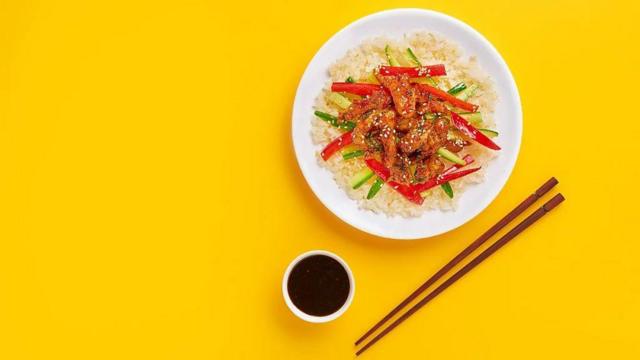
АВТОР ФОТО,GETTY IMAGES Підпис до фото, У мікрохвильових печах краще розігрівати, а не готувати. Але й розігрівати деякі продукти не варто більше одного разу – особливо рис
Високі температури в мікрохвильовці також можуть становити певний ризик. Втім проблема не в самій температурі. Деякі дослідження показали, що є ризик стосується приготування крохмалистих продуктів, зокрема злаків і коренеплодів.
Коли Бетті Шварц, професорка Єврейського університету в Єрусалимі, побачила, як її студенти під час обідньої перерви розігрівають у мікрохвильовій печі картоплю в мундирі, вона звернула увагу на маленькі кристали, що утворилися в картоплинах.
Дослідивши їх, вона виявила, що ці кристали містять багато акриламіду, хімічної речовини, що використовується у виробництві полімерів і вважається токсичною. У цьому випадку акриламід став побічним продуктом приготування картоплі.
Шварц попросила студентів зварити картоплю і виявила, що після варіння акриламід не утворився. Вона дійшла висновку, що причина цього – висока температура мікрохвильової печі.
Це викликає занепокоєння, оскільки дослідження на тваринах показали, що акриламід діє як канцероген, втручаючись у роботу ДНК клітин. Доказів того, що у людей він працює так само, поки що мало.
Є деякі дослідження, які свідчать, що приготування їжі в мікрохвильовці більше сприяє утворенню акриламіду, ніж інші способи.
Однак дослідники також виявили, що короткий вплив мікрохвиль — наприклад, бланшування або розморожування — на низькій потужності може обмежити утворення акриламіду під час подальшого приготування.
“При 100 ºС виділяється достатньо енергії для того, щоб змінити зв’язки між молекулами й створити молекулу, яка здатна вступати в реакцію з ДНК, породжуючи мутації, – каже Шварц. – Коли мутацій стає багато, може виникнути онкологія”.
Дослідження на тваринах показали, що це стосується акриламідів.
Один зі способів обійти це – замочити картоплю у воді перед тим, як поставити її в мікрохвильову піч.
Небезпечне випромінювання?
Що ж до випромінювання в мікрохвильовці, то воно абсолютно нешкідливе. Ці прилади працюють на низькочастотному електромагнітному випромінюванні, схожому на те, що використовується в електролампочках і радіо.
Їжа, поміщена в мікрохвильову піч, поглинає ці мікрохвилі, що змушує молекули води в їжі вібрувати, створюючи тертя і цим нагріваючи її.
Люди теж здатні поглинати електромагнітні хвилі. Але мікрохвильові печі виробляють відносно низькочастотні хвилі, які не виходять за межі приладу.
Навіть якби вони й виходили, ці хвилі – безпечні, стверджує професор Тан. (Але, звісно, висока температура в мікрохвильовці зовсім не безпечна, тому в жодному разі не варто пробувати помістити туди живу істоту!)
“Впливу хвиль, таких як у мікрохвильовій печі, ми зазнаємо щодня. Люди навіть обмінюються таким випромінюванням між собою, – каже Джумін Тан. – Якщо ви вживаєте продукти із зернових, вирощених на сонці, то вам немає чого турбуватися про їжу з мікрохвильовки”.
На відміну від рентгенівських хвиль, мікрохвилі не використовують іонізуюче випромінювання, що означає: вони не мають достатньо енергії, щоб від’єднувати електрони від атомів.
АВТОР ФОТО,GETTY IMAGES Підпис до фото, Мікрохвилі не використовують іонізуюче випромінювання, тому немає нічого небезпечного в тому, щоб використовувати їх для розігріву їжі
“Щоб пошкодити ДНК, потрібно розірвати хімічні зв’язки. Це основний спосіб, за допомогою якого радіація вбиває: клітини починають мутувати, і розвивається онкологія”, – пояснює доцент радіаційної медицини Тімоті Йоргенсен з медичного центру Джорджтаунського університету (США).
За його словами, всі тривоги щодо мікрохвильового випромінювання зняли ще в перші роки після винаходу мікрохвильової печі.
Зокрема, вчені з військового науково-дослідного центру при Міністерстві оборони США, провели безліч досліджень щодо безпеки мікрохвиль. І це значною мірою розвіяло побоювання.
Мікрохвильовка давно визнана безпечним кухонним приладом, але, як показують сучасні дослідження, із застереженнями. Є моменти, на які варто звернути увагу.
І особливо експертів продовжує турбувати те, як пластикова упаковка, яку ми використовуємо, поміщаючи їжу в мікрохвильову піч, може впливати на роботу наших гормонів – і як наслідок на наше здоров’я загалом.
