
27 серпня 2024 року під час пресконференції президент України Володимир Зеленський оголосив про успішне випробування першої української балістичної ракети. Це знаменна подія для оборонного сектору країни, яка має потенціал радикально змінити баланс сил у конфлікті та підкреслює значний прогрес в розвитку української військової промисловості.
“Я думав, що рано про це говорити, але вже було випробування – позитивне – першої балістичної української ракети. Я з цим вітаю наш ОПК”, – заявив очільник держави, але не надав подробиць.
За його словами, факт створення власної балістики показує високий рівень українських фахівців ОПК.
Ще в липні Зеленський говорив про “гарну динаміку” української ракетної програми.
“Наша ракетна програма має гарну динаміку, і хоч це – важке завдання, але поступово ми наближаємося до можливості застосовувати власні ракети, а не лише покладатися на постачання від партнерів”.
Варто зауважити, що на озброєнні української армії вже є балістичні ракети.
Це старі радянські комплекси “Точка-У”, що мають дальність лише 120 км і дуже обмежену кількість ракет. А також американські ATACMS, що б’ють на 300 км, але Білий дім вперто забороняє Києву їх застосовувати по російській території.
Тому створення власної далекобійної балістичної ракети в останні роки було пріоритетом для українського ОПК.
Для того, щоб зрозуміти, чому це непересічний прорив, слід нагадати, що таке власне балістичні ракети і чому Україна майже 20 років ніяк не могла їх створити.
Що таке балістична ракета і як її використовують
На відміну від крилатої, балістична ракета на фінальному етапі атакує ціль майже вертикально і з великою швидкістю, залишаючи вкрай мало шансів для протиповітряної оборони перехопити її.
Такі ракети можуть запускатися з наземних стаціонарних пускових чи пересуваних установок, а також з кораблів, підводних човнів і літаків.
Ракети можуть нести уламково-фугасну, касетну і навіть ядерну бойову частину.
За дальністю балістика поділяється на малу дальність (250-1000 км), середню (1000-2500-4500 км) і міжконтинентальну (4500-6000 км).
Потужність, швидкість і точність балістичних ракет зробили їх однією з найголовніших видів високоточної зброї в російській армії.
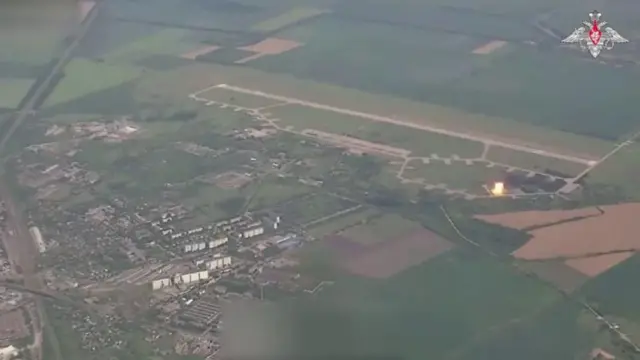
Автор фото,Міноборони РФ
Ураження дуже важливих цілей на українському театрі бойових дій і в тилу території відбувається саме балістикою – найчастіше ракетами “Іскандер-М”.
Це потужні ракети довжиною 7,2 м з бойовою частиною майже 500 кг, що летять на фінальній стадії зі швидкістю 2100 м/с.
Тобто свою максимальну дальність (400-500 км) “Іскандер” може подолати за 5-6 хв. Враховуючи, що росіяни його запускають з набагато ближчих відстаней, то цей час підльоту ще менший.
“Іскандери” росіяни використовували, зокрема, для ударів по військових аеродромах в Полтавській, Дніпропетровській і Кіровоградській областях, для атак на ракетні системи HIMARS i Patriot.
Зазвичай атаки мали такий вигляд: російський розвідувальний безпілотник знаходив ціль, передавав її координати, а балістична ракета через пару хвилин вражала об’єкт противника.
Часте і доволі ефективне використання призвело до того, що Росія, ймовірно, суттєво вичерпала свої запаси балістичних ракет. Це змусило її звернутись за допомогою до Північної Кореї, яка надала свої ракети і їх вже неодноразово використали для ударів по Україні.
Збиття балістики – одне з найважчих завдань для української ППО. Інформація, яку оприлюднив головком ЗСУ Олександр Сирський, свідчить, що з початку повномасштабної війни РФ випустила 1300 балістичних ракет “Іскандер”, з яких перехопили лише 56.
Отже, для російсько-української війни саме балістика відіграє надзвичайно важливе значення, надаючи суттєву перевагу одній зі сторін.
Відповідно, створення української балістичної ракети мало би бути пріоритетним завданням для українського ОПК. Проблема лише в тому, що це йому ніяк не вдавалось зробити попередні 20 років.
Історія української балістики
Над створення власної балістики Україна задумалась ще на початку 2000-х за президентства Віктора Ющенка.
Тоді було оголошено про розробку оперативно-тактичного ракетного комплексу (ОТРК) “Сапсан”, що фактично мав стати аналогом російського “Іскандера”. Український комплекс також мав бити на граничну дальність до 500 км і мати бойову частину близько пів тонни.
Завершити цей проєкт планувалось в 2012 році, але брак фінансування змістив терміни. Він раптово був зупинений за президентства Віктора Януковича у червні 2013-го.
Про повне згортання проєкту “Сапсан” повідомив тодішній міністр оборони Павло Лебедев. Зараз він у розшуку за держзраду і, за попередніми даними, переховується в анексованому Росією Криму.
Однак вже у 2016 році стало відомо про відродження проєкту “Сапсан” під експортною назвою “Грім-2”. Україна начебто почала створення цього ОТРК з далекобійністю до 280 км на замовлення Саудівської Аравії.
В лютому 2021 року міністр оборони Андрій Таран заявив, що “Сапсан” готовий на 80% і “необхідно зробити останній крок” та доробити перший зразок цієї новітньої зброї.
Щоправда в квітні того ж року його заступник Андрій Миронюк заявляв, що рівень виготовлення першої батареї ОТРК складає 70%.
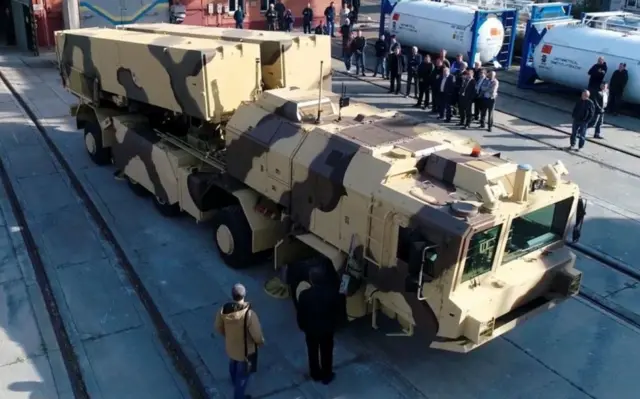
Автор фото,ТСН
Ця батарея мала містити в собі дві пускові установки та машини заряджання, а також дві машини керування, дивізіонного та батарейного рівня для проведення всього комплексу випробувань у максимально короткі терміни.
Після початку повномасштабної війни офіційної інформації про українську ракетну програму стало ще менше. При цьому Росія вже декілька разів публічно повідомляла про збиття начебто українських балістичних ракет “Грім-2”.
Крім того, українські правоохоронці восени 2022 року затримали співробітницю КБ “Південне” за підозрою в шпигунстві. Вона, за даними слідства, передала російським спецслужбам інформацію про стадію виготовлення “Сапсан” на власному підприємстві.
За її словами, станом на літо 2022 року, цей ракетний комплекс був на стадії готовності та виходу виробу.
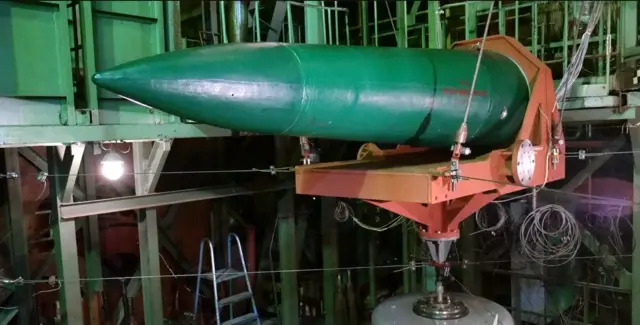
Автор фото,КБ “Південне”
Вже в серпні 2024 року військовий експерт і голова фонду “Повернись живим” Тарас Чмут заявив в інтерв’ю, що Україна зараз розробляє три модифікації “Сапсана”, але не розкрив, чим вони відрізняються.
“На жаль, держава Україна знайшла фінансування на ці комплекси лише у 2022 році”, – зауважив він.
Військовий аналітик Микола Бєлєсков натякає, що мова у заяві президента Зеленського йде саме про успішне випробування балістичної ракети для комплексу “Сапсан”.
“Трохи більше 11 років від скасування до успішного випробування”, – написав він у фейсбуці, додавши скріншот новини про скасування проєкту “Сапсан” в червні 2013 року.
Однак слід наголосити, що ще рано говорити, наскільки успішною в бойових умовах є ця розробка. Це має показати лише час. Якщо українська балістична ракета виявиться достатньо швидкою, потужною і влучною, то під загрозою може опинитися навіть Москва. Відстань від російської столиці до українського кордону складає приблизно 460 км.
Військовий оглядач ВВС Павло Аксьонов — про першу українську балістичну ракету
Президент України Володимир Зеленський оголосив про випробування української балістичної ракети за два дні після того, як стало відомо, що українці створили крилату ракету “Паляниця”.
У цьому оголошенні немає нічого дивного. Україна — країна, в якій із радянських часів існувала розвинена авіаційна промисловість, працювали великі ракетні підприємства — КБ “ЛУЧ” та “Південмаш”. Україна будувала літаки та космічні ракети.
Навіть в умовах війни, коли український ОПК зазнає російських ракетних ударів, і його робота ускладнена, в країні залишаються фахівці та технології. Тому розробка балістичної ракети не є зовсім неймовірною.
На відміну від “Паляниці”, про яку відомо хоч і небагато, але, як мінімум, дальність, розміри та система запуску, про балістичну ракету не відомо нічого. Тим часом балістичними можна вважати і ракети радянського РСЗВ “Град”, і більш далекобійні українські “Вільхи” та американські MGM-140 ATACMS.
Якщо ця нова ракета буде оперативно-тактичного класу, як “Точка У” або ATACMS, а також якщо Україна зможе виробляти її разом із крилатими ракетами, то їхнє спільне застосування сильно ускладнить ситуацію в прикордонних регіонах Росії — комбіновану атаку кількох різних засобів ураження дуже важко відбити. Крім того, застосування цих засобів по цілях в Росії ніхто не зможе обмежити.
Поки що складно оцінювати потенціал цих озброєнь — про них не відомо майже нічого, включаючи ступінь готовності та можливості виробництва. Проте можна з упевненістю говорити, що в умовах обмежених західних поставок українці сповнені рішучості озброювати себе самі.
