
Західні і російські ЗМІ кажуть про намір Кремля захопити Харків – друге за кількістю населення місто в Україні. На початку повномасштабного вторгнення війська РФ вже намагалися це зробити, але зазнали болючої поразки.
Розмови про повторний наступ на Харків підігрівають і неоднозначні заяви російського президента Володимира Путіна про створення “санітарної зони” вздовж україно-російського кордону. На думку очільника Кремля, це має убезпечити Бєлгород та область від обстрілів з боку України і рейдів російських добровольчих груп, підтримуваних українською владою.
Про можливий наступ росіян на Харків вже навіть змушений був коментувати головнокомандувач ЗСУ Олександр Сирський.
Найближче українське місто до Бєлгородської області – саме Харків, від нього до кордону лише близько 30 км.
“Я зараз не готовий говорити з приводу того, що і як ми маємо приєднувати. Не виключаю, що ми змушені будемо в якийсь момент створити певну санітарну зону на сьогоднішніх територіях, підпорядкованих київському режиму”, –- заявив Путін 18 березня, відповідаючи на питання, чи планується “приєднання до РФ Харківської області”.
Але чи має Росія достатньо сил і засобів для такої масштабної операції?
Як це було 2 роки тому
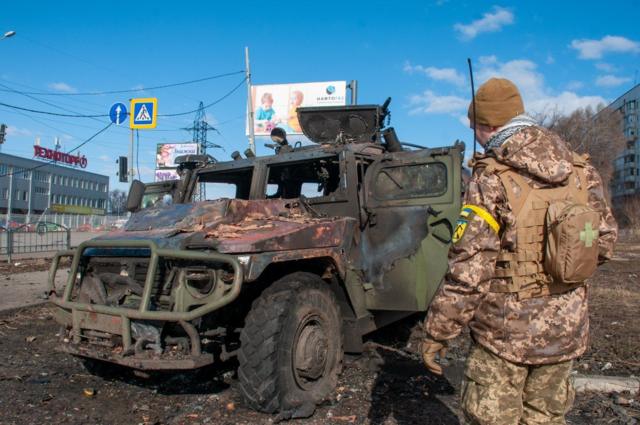
АВТОР ФОТО,УНІАН Підпис до фото, Спалений у Харкові російський “Тигр”, лютий 2022 року
Розпочавши вранці 24 лютого 2022 року напад на Україну, російські війська атакували відразу на декількох напрямках. Один з них був на Харків.
Основними ударними силами тут були російські загони спецпризначення і розвідки. Українські військові аналітики Михайло Жирохов і Андрій Харук у своїй книзі “Бойова хроніка 2022 року” звертають увагу, що битва за Харків мала низку особливостей порівняно з іншими містами.
Зокрема, саме тут росіяни дуже активно використовували важку артилерію, наприклад, реактивну систему залпового вогню “Смерч”.
“На інших напрямках використання артилерії було досить обмеженим – росіяни намагалися захоплювати міста та інші ключові пункти з ходу, діями рейдових груп”, – зазначають автори книги.
Російські війська пробували атакувати місто “в лоб”, рухаючись зі сходу через окружну дорогу Харкова. Оборонці відбивали всі атаки, а 27 лютого вщент знищили групу російського спецпризначення, яка спробувала прорватись до центру міста.
Після цього росіяни спробували оточити місто з півдня і півночі. На півдні їм вдалося на декілька діб взяти під свій контроль місто Чугуїв, але з північного флангу вони відразу програли битву за село Дергачі і відкотилися за межі харківської окружної.
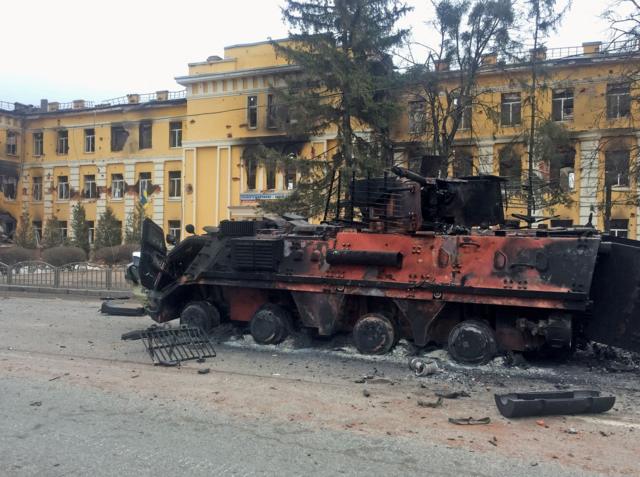
АВТОР ФОТО,REUTERS Підпис до фото, Знищений бронетранспортер біля школи в Харкові, 28 лютого 2022 року. На початку повномасштабного вторгнення Росія намагалася захопити місто відносно невеликими силами, але зазнала невдачі
Вже через пів року українські Сили оборону проведуть блискучу наступальну операцію і звільнять майже всю Харківщину, вигнавши російські війська за лінію державного кордону.
Спроба захопити Харків провалилась не в останню чергу через невелику чисельність російських військ (орієнтовно 16 батальйонно-тактичних груп, тобто 11-13 тисяч бійців), хаотичне планування наступальних операцій і потужний опір Сил оборони та місцевого населення.
Однак після відступу Росія не лише не припинила регулярні ракетні обстріли українського міста, але й суттєво посилила їх за останній місяці.
За словами міського очільника Ігоря Терехова, в Харкові зруйнована практично вся критична енергетична інфраструктура, навіть приватна.
Підготовка нового наступу?
Про те, що Росія, ймовірно, готує потужний наступ на Харківському напрямку, західні ЗМІ почали писати ще з початку року. Однак українська влада і військове командування заперечували ці побоювання, зазначаючи, що жодних ознак створення потужного ударного угруповання для наступу безпосередньо на місто поки що не фіксується.
В ЗСУ наголосили на тому, що з кінця осені і майже всю зиму Росія намагалась прорвати українську оборону біля Куп’янська – це за 100 км від Харкова на схід. Однак росіянам це так і не вдалося, тож про загрозу з цього напрямку говорити поки що не варто. Тим більше, що в останні дні російські атаки на цій ділянці фронту майже припинились.
В другій половині березня, після переобрання Путіна на посаду президента РФ, розмови про підготовку вторгнення в бік Харкова знову стали актуальними. Зокрема про це написали “ліберальні” російські видання “Мєдуза” і “Вєрстка”.
Перше, з посиланням на джерела у владі РФ, заявило, що Володимир Путін, ймовірно, після виборів визначив завдання взяти Харків і після цього поступово згортати “спеціальну військову операцію” – так в Росії на офіційному рівні називають війну з Україною.
“Символічно це також перемога. Місто-мільйонник, де багато російськомовного населення”, — сказав ЗМІ один із співрозмовників.
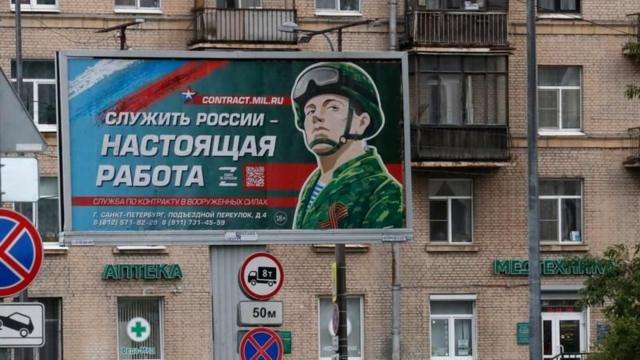
АВТОР ФОТО,EPA Підпис до фото, За даними російських ЗМІ, для захоплення Харкова російська влада спробує мобілізувати 300 тисяч бійців
Інше видання – “Вєрстка” – повідомило, що Кремль розраховує найближчим часом мобілізувати до військ 300 тисяч бійців саме для проведення операції із захоплення Харкова.
Нібито за планом російської влади, мобілізовані здебільшого будуть відправлені для прикриття кордону в Бєлгородській області, а досвідчені бійці, які вивільняться після цього, будуть задіяні в “харківській операції”.
За даними виданням, що посилається на інформовані джерела, Кремль планує не штурмувати українське місто напряму, а оточити його.
Станом на 1 квітня російська влада не оголошувала про проведення нової хвилі мобілізації, яка необхідна для створення такого потужного ударного угруповання. Але 30 березня президент Путін підписав указ про призов на строкову службу 150 тисяч росіян. Це найбільша кількість за останні 8 років.
Немає нових військ
Слід зауважити, що про підготовку “нового потужного наступу” Росії заявляє і українська влада. Але не вказує, на якому саме напрямку це планує зробити противник.
Президент Володимир Зеленський в інтерв’ю CBS зазначив, що Україна готує додаткові резерви, щоб відбити російський контрнаступ, що почнеться за декілька місяців.
“Ми ділимося з партнерами інформацією і говоримо, що Росія буде готувати контрнаступальні дії, це може бути кінець травня або червень”, – сказав він.
За словами командувача Сухопутних військ ЗСУ генерала Олександра Павлюка, в Росії вже зараз створюють угруповання зі 100 тисяч військових, яких, можливо, використають в цьому новому наступі.
“Така ймовірність є, що на початок літа вони можуть мати певні сили для проведення відповідних наступальних операцій на одному з напрямків”, – сказав він, не уточнивши про який саме напрямок йдеться.
Військовий аналітик групи “Інформаційний спротив” Костянтин Машовець звертає увагу, що на початку операції з оточення Харкова російським військам потрібно буде дійти до рубежу Котельва (місто на перетині Полтавської, Сумської і Харківської областей) – Валки (районний центр за 40 км на захід від Харкова).
Але на цьому шляху стоять два “потужні вузли української оборони” – містечка Охтирка і Богодухів.
Костянтин Машовець оцінює, що тільки для проведення такої складної операції Росія має задіяти більше ніж 1-2 загальновійськові армії, тобто орієнтовно понад 200 тисяч бійців.
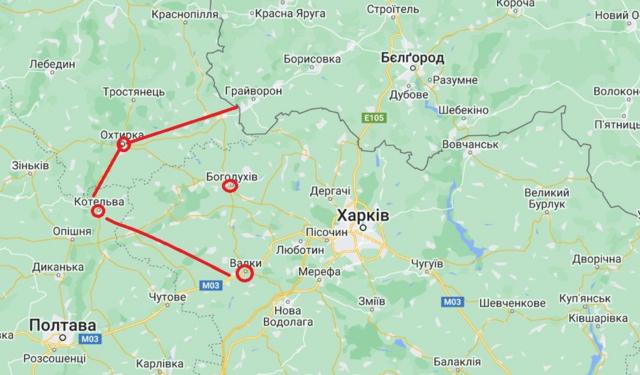
АВТОР ФОТО,GOOGLE MAPS Підпис до фото, На думку військових експертів, щоб провести операцію з оточення Харкова Росії необхідно буде здійснити масштабний наступ за напрямком Котельва – Валки
Інша проблема для Кремля – південний фланг цього наступу. Тут подальший рух до обласного центру неможливий, допоки українські війська надійно утримують плацдарм на східному березі річки Оскіл біля Куп’янська. Лише після прориву на цій ділянці російська армія могла б рухатись далі до Чугуєва і Первомайська для охоплення Харкова з південного фасу.
Відповідно, на думку Машовця, проведення Росією влітку цього року масштабної наступальної операції на Харків є малоймовірним. В першу чергу, через відсутність станом на зараз необхідної кількості підготовлених військ, боєприпасів і матеріально-технічних засобів.
Військовий експерт Олександр Коваленко вважає, що для наступу на Харків Росії потрібно буде зібрати не менше 500 тисяч бійців плюс резерв 100-150 тисяч.
Однак це фактично чисельність всього угруповання російських військ, що зараз перебуває в Україні. Наприкінці минулого року Путін заявив, що в “зоні бойових дій” вже перебуває 617 тисяч військових РФ.
Відповідно, за короткий час створити, підготувати і забезпечити аналогічне за чисельність угруповання фактично неможливо.
До прикладу, восени 2022 року при оголошенні “часткової мобілізації” за місяць Росія змогла набрати близько 300 тисяч нових бійців, на їхню підготовку було витрачено ще пару місяців, але навіть після цього при переміщенні в зону бойових дій ще тривалий час всі аналітики вказували на низьку якість російських “мобіків”.
“Забезпечити таке угруповання (в 500 тисяч осіб) Росія не має можливості у короткі терміни і це дуже тривалий і не непомітний процес, на який буде відповідна реакція”, – резюмує Коваленко.
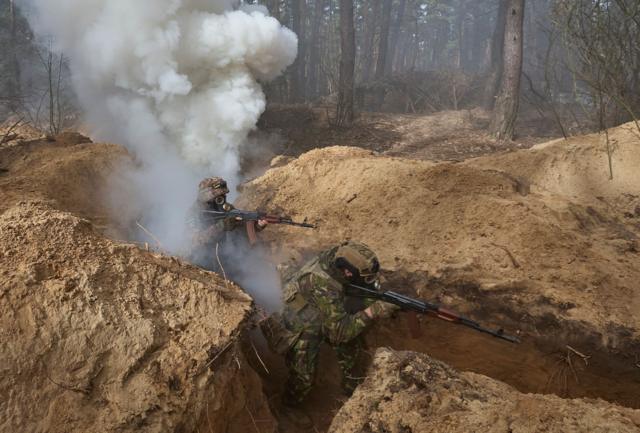
АВТОР ФОТО,EPA Підпис до фото, Підготовка бійців Національної гвардії України на полігоні біля Харкова
Допомогти в реалізації задумів Кремля міг би фактор несподіванки.
Зокрема, саме він 24 лютого 2022 року допоміг російському угрупованню в складі 15 БТГр (орієнтовно 11-12 тисяч бійців) дійти до західних околиць Києва. Але зараз на нього влада РФ не зможе розраховувати – українська армія значно укріпила кордон на Харківщині, підготувавши декілька ліній фортифікаційних споруд.
Головнокомандувач ЗСУ Олександр Сирський, однак, наголошує, що не треба ігнорувати інформацію про підготовку ворога до наступальних дій на Харківщині. Тому українське командування вживає всіх заходів для “адекватного реагування на таку ймовірність”.
“Якщо росіяни рушать туди знову, то Харків стане для них фатальним містом”, – вважає головком.
