
Попри те, що Україна має технічні можливості для виробництва власних ракет, постійна затримка у налагодженні регулярного випуску військових ракет викликає занепокоєння. Економіст Павло Вернівський, що активно аналізує ситуацію в оборонній промисловості України, пояснює, чому країна, яка потребує потужних і сучасних ракетних систем, не може вийти на необхідний обсяг виробництва.
Чому Україна не виготовляє ракети? Озвучу власну версію.
У нас не виготовляють ракети не тому, що не вміють. Якщо трохи погуглити, то можна побачити безліч перспективних розробок. І ОТРК “Грім-2”, наш аналог “Іскандера”. І крилаті ракети “Коршун”. Навіть рік тому хтось там хвалився, що в нас переробили ракету “Нептун” для ударів по наземних цілях.
Тож проблема не в тому, що ми не можемо виробляти ракети. Проблема в тому, що ми робимо це дуже повільно та в недостатній кількості. А це тому, що нам не вистачає системності, пріоритетності. Плюс — ефективних і якісних управлінських рішень для пришвидшення розробок і подальшого виробництва. І увесь цей комплекс питань, а саме відсутність розуміння та бажання втручатися у виробничі процеси, породжує ситуацію, коли “верхи не розуміють, а низи не можуть”. І, ймовірно, саме через це вітчизняна ракетна програма досі буксує.
Загалом усі проблеми, які заважають розробці й виробництву власних ракет, спостерігалися ще до початку повномасштабного вторгнення протягом усіх років незалежності. Українська промисловість деградувала упродовж 30 років, багато чого втрачено й забуто. А деякі процеси, від логістичних звʼязків і до внутрішніх виробничих процесів, були порушені. Усе потрібно відбудовувати, та цим наразі практично ніхто не займається.
Для аналогії уявіть, що у вас є автомобіль, який побував у декількох ДТП і починає барахлити. За аналогією з таким автомобілем, механізми українського ВПК неадекватно працюють, але замість того, щоб поремонтувати, усі вважають, що він поїде самостійно, достатньо лише залити бензин. Однак це так не працює.
Водночас люди, які дали вказівку розробляти ракетну програму, вважають: для того, щоб вирішити проблему, треба лише виділити кошти і дати держзамовлення. На цьому вся їхня робота закінчується. Проте, навіть якщо на ракетну програму знайдуть гроші, так само, як колись для заводу “Антонов”, коли Зеленський пообіцяв закупити його літаки, це не гарантує швидкої появи цих ракет. Тим паче, що багато проблем, які наразі стоять перед підприємствами оборонного сектору, вони самостійно вирішити не в змозі.
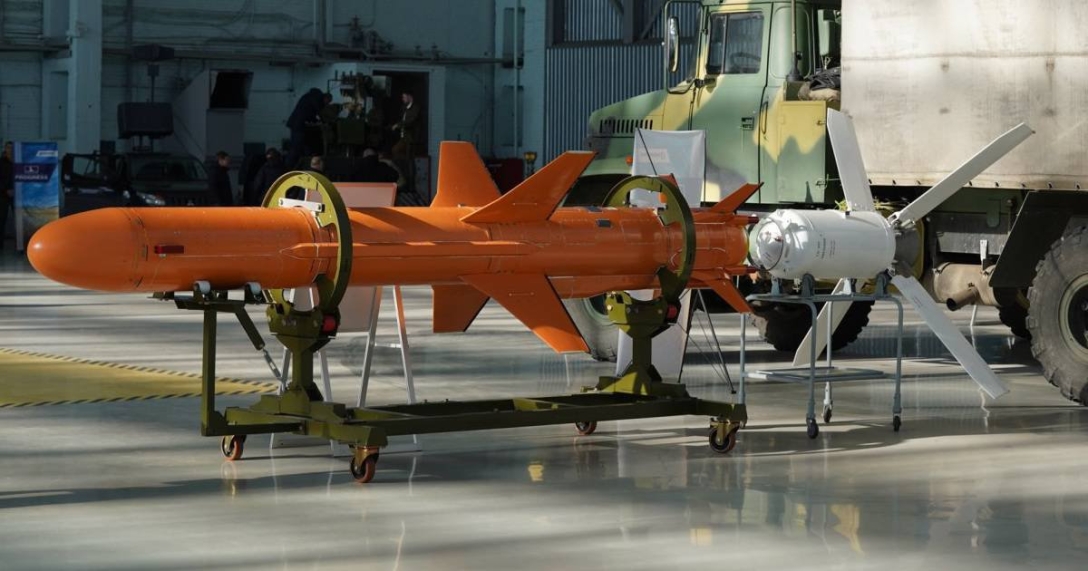
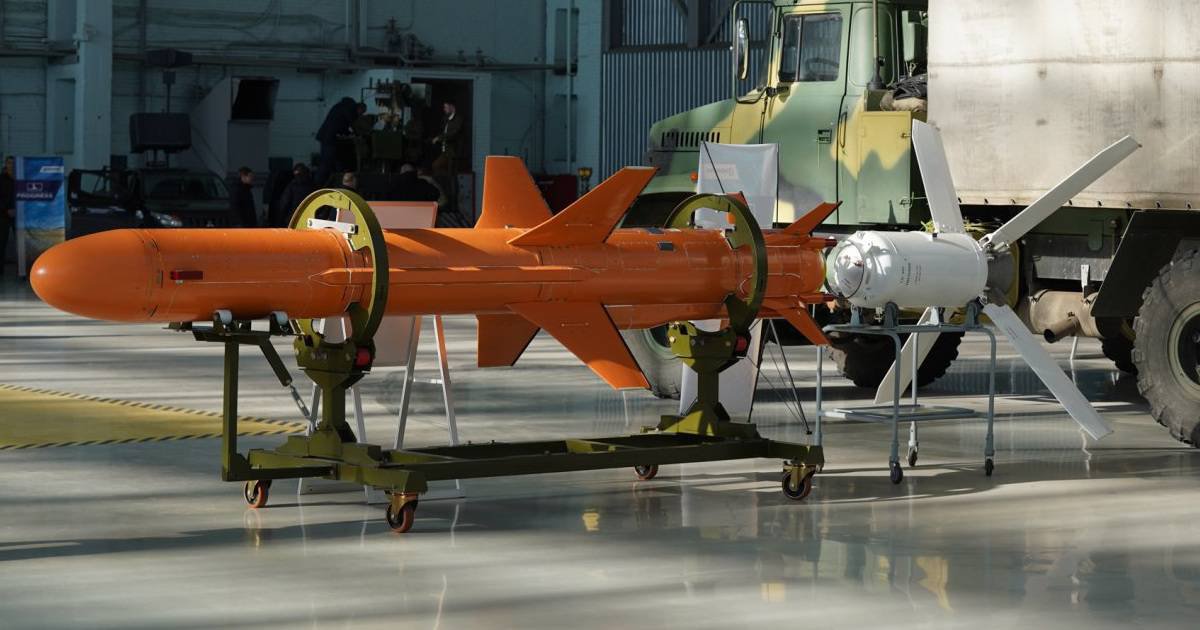
Наприклад, візьмемо процес розробки. Будь-яка промислова продукція — це своєрідний конструктор, який збирають із різних деталей та компонентів. Певні деталі цього умовного конструктора ми можемо імпортувати, але є компоненти, які імпортувати дуже важко, тому що країни-власники цих технологій можуть встановлювати обмеження на їхній експорт. У США експорт ракетних технологій регулюється спеціальним режимом — Missile Technology Control Regime (MTCR), який обмежує доступ до цих технологій усім охочим і дозволяє постачати їх лише ключовим країнам-партнерам. Однак, навіть з урахуванням того, що зараз Україна є партнером США, це не означає, що дозвіл на отримання цих технологій ми отримали автоматично. Його треба отримувати окремо. А це, у свою чергу, політичне питання. Тобто навіть у цьому напрямку потрібна системна робота, аналогічна тій, яка ведеться для отримання вже готової зброї від Заходу. Частково вона триває, але не є системною, водночас здебільшого ця ініціатива йде знизу, від компаній. А далі до неї приєднуються політики, щоб попіаритися, підписати якийсь меморандум — і все. Тож політична робота для пришвидшення отримання цієї технології не ведеться взагалі.
Додатково у виробників можуть виникати проблеми з кадрами. Дуже часто цю проблему важко вирішити, бо через деградацію сектору в галузі залишилося мало фахівців. Тому тут теж потрібні й політичні, й управлінські рішення для пошуку та підготовки необхідних кадрів. Причому, додатково треба заново популяризувати професію, шукати фахівців з інших галузей чи й залучати іноземних фахівців, які б закривали наші слабкі місця у певних сферах. Цієї роботи також немає.
Окремо потрібно відзначити, що проблеми спостерігаються не лише на етапі розробки, а й у виробництві. Тобто, коли вже є якась готова розроблена зброя, але навіть її ми не можемо випускати у великих кількостях. Усе це пояснюється деградацією виробництва, втратою кадрів, навичок організації виробництва. Про що тут говорити, якщо ці люди зараз не можуть створити навіть масового виробництва простіших реактивних снарядів для РСЗО чи навіть снарядів, тобто елементарнішого продукту, аніж технологічні ракети. І якщо ми не можемо вирішити проблему зі снарядами, то я не думаю, що варто очікувати просування у ракетній програмі, адже для цього не створено відповідних передумов.
Не виключаю навіть саботажу на виробництвах зброї, адже росіяни можуть вербувати співробітників сектору ВПК так само, як і коригувальників для ракетних ударів. І учасники процесу можуть цілеспрямовано гальмувати процес, розповідаючи наших держдіячам, які в тому не петрають, що швидше й більше зробити неможливо.
Тому у мене є сумніви, що ці проблеми буде вирішено. Якби було помітно, що в управлінців є бажання вирішувати ці проблеми, то, можливо, у мене був би кращий прогноз. Зараз я цього не бачу.